

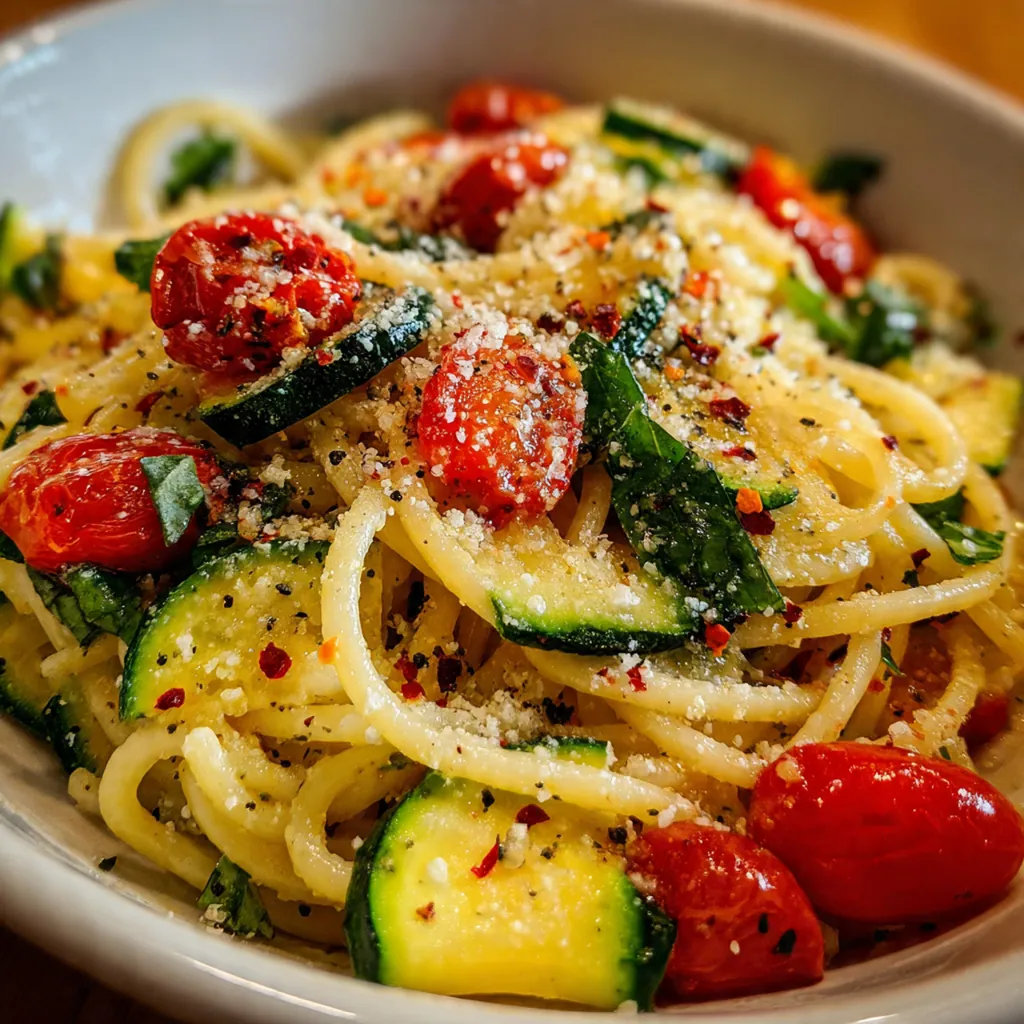
This tomato zucchini pasta basil dish is my go-to summer celebration, a one-skillet wonder that tastes like a sunlit Italian garden. It’s the kind of meal you can pull together on a busy weeknight but feels special enough for company. The magic lies in letting simple, peak-season vegetables shine in a light, clingy sauce. It’s authentic Italian cooking at its most accessible and satisfying.
Why You'll Love This Recipe
- You’ll have a complete dinner ready with just one pan for easy cleanup
- It’s packed with the very best flavors of summer from garden-fresh produce
- You can get it on the table in under 45 minutes without any stress
- The light sauce is full of flavor but won’t weigh you down
- My family requests this one all season long
Ingredients You’ll Need
- Dried linguine or spaghetti: The classic long pasta shape is perfect for holding onto the light vegetable sauce; look for a good quality bronze-die cut brand for the best texture.
- Kosher salt: Its coarse grains season the pasta water and vegetables evenly, drawing out natural flavors without making things taste overly salty.
- Extra virgin olive oil: This is your flavor base; a good, fruity oil will make the entire dish sing, so don’t skimp here.
- Yellow onion: Finely diced and cooked slowly until sweet and translucent, it builds a foundational layer of flavor you can’t skip.
- Garlic: Thinly sliced so it melts into the oil and infuses everything with its aroma without ever burning or turning bitter.
- Zucchini: Sliced into half-moons so they cook quickly and get those desirable golden brown spots that add so much sweet depth.
- Crushed red pepper flakes: Just a pinch adds a subtle warmth in the background that really makes the other flavors pop.
- Cherry tomatoes: Halved so they soften and burst just enough to create a juicy, light sauce with minimal effort.
- Freshly ground black pepper: Added with the tomatoes, its floral sharpness is a perfect counterpoint to the sweet vegetables.
- Fresh basil leaves: Tossed in off the heat, their bright, anise-like fragrance is the final, non-negotiable touch of summer.
- Reserved pasta water: The secret weapon; its starch transforms oil and tomato juices into a silky sauce that coats every strand.
- Lemon zest: A microplane of zest brings a lively, fragrant citrus note that cuts through the richness and brightens the whole plate.
- Parmigiano-Reggiano cheese: Freshly grated, it adds a salty, nutty complexity and helps thicken the sauce when you toss everything together.
How to Make It
Boil the Pasta and Reserve Water:
Bring a big pot of water to a rolling boil and add a good amount of salt – it should taste like the sea. Drop in your pasta and cook it until it’s just al dente, with a slight bite. Right before you drain it, use a mug or ladle to scoop out at least a cup of that cloudy, starchy cooking liquid. This is your sauce insurance policy, so don’t forget it.
Sauté the Aromatics:
While the pasta works, heat your olive oil in a large, deep skillet over medium heat. Add your diced onion and let it cook gently, stirring now and then, until it turns soft and translucent. You’re building flavor from the bottom up here, so take your time and let the onion sweeten.
Bloom the Garlic and Spice:
Stir in your thinly sliced garlic and the red pepper flakes. They only need about a minute in the hot oil to become incredibly fragrant. Keep the heat moderate so the garlic just softens and perfumes the oil without taking on any color or bitterness.
Brown the Zucchini:
Turn the heat up to medium-high and add all your zucchini slices along with a generous pinch of salt. Let them cook without moving them too much so they develop those lovely golden-brown spots. This caramelization is key for adding a deeper, sweeter flavor to the final dish.
Cook the Tomatoes:
Once the zucchini is tender and spotted, toss in your halved cherry tomatoes and the black pepper. Give everything a good stir and let it cook for a few minutes until the tomatoes soften and start to release their sweet juices into the pan, creating the base of your sauce.
Combine and Toss:
Reduce the heat to low and add your drained pasta directly to the skillet with all the vegetables. Pour in about half of that reserved starchy pasta water. Now, use tongs to lift, toss, and stir everything vigorously for a minute or two. You’ll see the water, oil, and tomato juices emulsify into a glossy sauce that clings to the pasta.
Finish with Freshness:
Pull the skillet completely off the heat. Immediately stir in your roughly torn basil leaves and the lemon zest. The residual heat will wilt the basil perfectly, releasing its incredible aroma without turning it black or losing its fresh flavor.
Cheese and Serve:
Sprinkle the freshly grated Parmigiano-Reggiano over the top and give it one final, confident toss to melt the cheese into the sauce. Taste a strand and adjust with a little more salt or pepper if you think it needs it. Divide into bowls and enjoy it right away while it’s perfectly hot and fresh.
You Must Know
- Reserving the starchy pasta water is absolutely non-negotiable for the sauce
- Let the zucchini get real color in the pan for deeper flavor
- Always add the fresh basil off the heat to keep it bright
- Use a microplane for the lemon zest to avoid any bitter pith
- I never make this without having extra cheese on the table
Storage Tips
Store any leftovers in an airtight container in the fridge, where they’ll stay fresh for up to three days. The pasta will continue to absorb liquid as it sits, so when you reheat, do it gently in a skillet with a small splash of water, broth, or even a touch more olive oil to loosen the sauce back up. Honestly, I sometimes just eat it straight from the container the next day – it’s fantastic cold, almost like a pasta salad.
Ingredient Substitutions
No linguine? Any long pasta like spaghetti, bucatini, or even fettuccine works beautifully. For a gluten-free version, your favorite gluten-free pasta will do the trick, just be extra mindful with the reserved starchy water. You can swap yellow squash for the zucchini in a pinch, and if your cherry tomatoes aren’t super juicy, a handful of grape tomatoes or even diced ripe plum tomatoes will work. Don’t have fresh basil? A tablespoon of pesto stirred in at the end can save the day, though the flavor profile changes. For a vegan twist, simply omit the Parmigiano or use a sharp, salty plant-based alternative.
Serving Suggestions
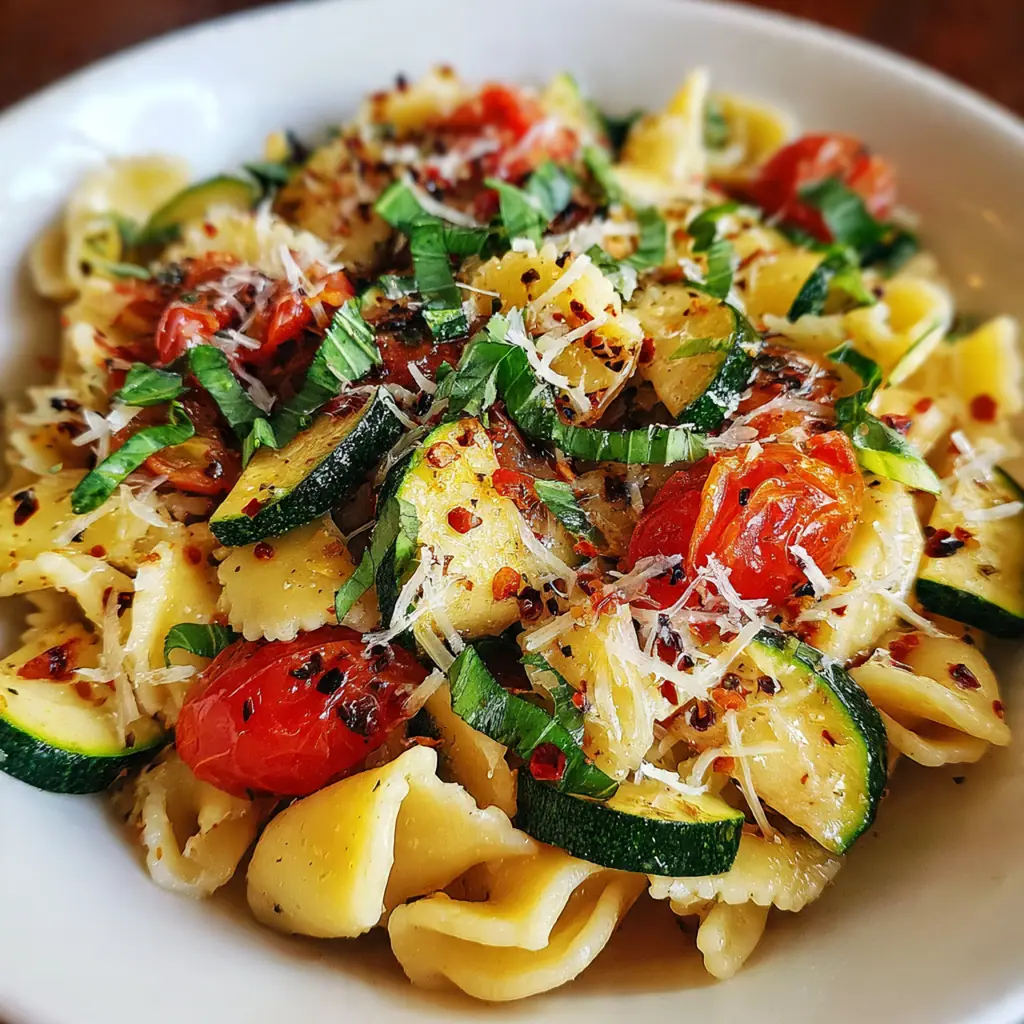
This tomato zucchini pasta basil dish is wonderful all on its own, but I love starting the meal with a simple arugula salad dressed with lemon juice and olive oil for a peppery crunch. A slice of warm, crusty bread is essential for mopping up every last bit of sauce from your bowl. To drink, a glass of crisp, cold white wine like a Pinot Grigio or Sauvignon Blanc cuts through the richness perfectly and makes the whole meal feel like a true occasion.
Cultural Context
This style of pasta is pure *cucina povera* – the Italian tradition of making extraordinary meals from humble, seasonal ingredients. You’ll find versions of it all across Italy in the summer when gardens are overflowing with zucchini and tomatoes. The technique of finishing the pasta in the skillet with its starchy water and a handful of cheese is classic, turning a simple vegetable sauté into a cohesive, restaurant-worthy dish. It’s less about a heavy, simmered sauce and more about celebrating the fresh produce at its peak, which is the heart of Italian home cooking.
Pro Tips
- Salt your pasta water generously, it’s the only chance to season the noodles themselves
- Get your skillet good and hot before adding the zucchini for those caramelized spots
- If your tomatoes aren’t juicy, add a splash of white wine or broth to the pan
- Freshly grate your cheese, the pre-shredded stuff won’t melt into the sauce properly
- This is my favorite summer weeknight dinner for a reason
Frequently Asked Questions
Long, thin pasta like linguine or spaghetti is ideal for this dish, as it allows the light sauce of tomatoes, zucchini, and olive oil to cling beautifully to every strand. The shape helps capture the flavorful bits in every bite.
It’s best enjoyed fresh, but you can prep the vegetables ahead. For leftovers, store in an airtight container in the fridge for up to 2 days. Reheat gently with a splash of water or olive oil to refresh the sauce.
If needed, you can use Pecorino Romano for a sharper, saltier flavor, or a high-quality vegetarian Parmesan alternative. The cheese adds a savory, umami depth that complements the fresh tomatoes and zucchini.
Sauté the zucchini just until it’s tender but still has a slight bite, about 5-7 minutes. It should be bright in color and not mushy. It will continue to soften slightly when combined with the hot pasta and sauce.
This dish is a complete meal on its own! For a true Italian feast, start with a simple arugula salad and some crusty bread to soak up any remaining sauce. It pairs wonderfully with a light, crisp white wine.