

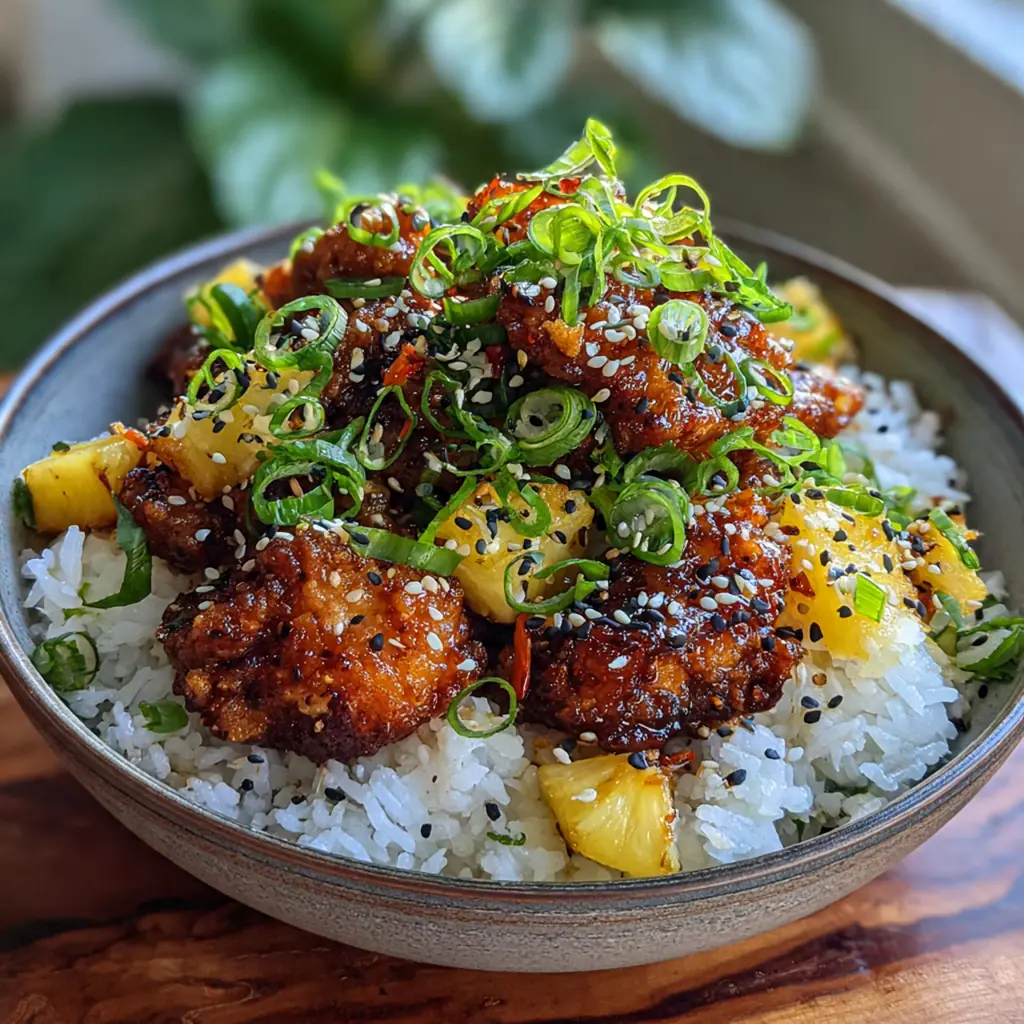
Hawaiian Garlic Fried Chicken captures the soul of island cooking in every single crispy, sticky bite. This local favorite combines the sweet tang of pineapple juice with the punch of fresh ginger and a massive garlic hit. It’s a dish that tastes like sunshine and vacation vibes, bringing that authentic Huli Huli spirit right to your kitchen. I first fell for this flavor profile at a roadside stand in Maui, and it took me years to nail the perfect balance at home. Trust me, once you try this version, you’ll understand why it’s a family staple on the islands.
Why You'll Love This Recipe
- That sticky sweet garlic glaze is absolute magic and clings to every nook of the crispy chicken
- The texture contrast is unbeatable—shatteringly crunchy outside and incredibly juicy inside
- It uses pantry staples but tastes like a restaurant-quality island dish
- The cornstarch dredge creates a lighter crust than traditional flour
- My kids go crazy for this and always ask for leftovers
Ingredients You’ll Need
- Boneless skinless chicken thighs: These have more flavor and stay juicier than breasts during high-heat frying, always opt for thighs when you want tender meat
- Soy sauce: Brings the essential salty umami base; low sodium lets you control the flavor better, Kikkoman is my go-to for consistency
- Ketchup: Adds body to the marinade and a subtle tomato sweetness that balances the saltiness perfectly
- Brown sugar: Provides caramel notes and helps create that signature sticky glaze coating
- Pineapple juice: The secret island ingredient that tenderizes the chicken and adds tropical sweetness, use juice from canned pineapples for ease
- Rice vinegar: Cuts through the richness with a gentle tang and brightens all the other flavors
- Fresh ginger: Adds a warm spicy kick that pairs beautifully with the garlic, always grate it fresh for the best aroma
- Garlic: The star of the show; eight cloves might seem like a lot but it mellows while frying, use plump cloves without green sprouts
- Sesame oil: Just a teaspoon adds deep nutty fragrance that screams authentic Asian-Hawaiian fusion
- Black pepper: A simple seasoning that enhances the overall savory profile without overpowering
- Garlic powder: Boosts the garlic flavor in the dredge without burning like fresh garlic would
- Onion powder: Adds a subtle savory sweetness to the crispy coating
- Cornstarch: The key to that ultra-crispy, light crust that holds up to the glaze, don’t substitute with flour here
- Vegetable or canola oil: Neutral high-smoke-point oils are best for deep frying without adding unwanted flavors
- Green onions: Fresh sharp bite and bright color for garnish, slice them thin so they crisp up slightly
- Toasted sesame seeds: Add a nutty crunch and visual appeal to the finished dish
- Lime wedges: The fresh acidity at the end makes all the sweet and savory flavors pop
How to Make It
Mix the Marinade Base:
Start by grabbing a large bowl and whisking together the soy sauce, ketchup, brown sugar, pineapple juice, and rice vinegar until the sugar dissolves. Add the minced ginger, minced garlic, sesame oil, and black pepper, whisking vigorously to combine everything into a fragrant, dark sauce. This marinade is where all the magic begins, so make sure the flavors are fully integrated before touching the chicken.
Marinate the Chicken:
Drop your chunked chicken thighs into the bowl and toss them thoroughly to coat every single piece. Cover the bowl tightly with plastic wrap and slide it into the fridge for at least one hour, though four hours is even better for deeper flavor penetration. The acidity in the pineapple juice and vinegar will tenderize the meat while the sugar caramelizes during frying.
Prep the Dredge and Heat Oil:
While the chicken marinates, set up your dredging station by mixing cornstarch, garlic powder, and onion powder in a shallow dish. When you’re ready to fry, pour vegetable oil into a heavy skillet or Dutch oven and heat it over medium-high until it hits 350°F—use a thermometer for accuracy. The oil should shimmer beautifully but not smoke, indicating it’s ready for that crispy magic.
Dredge and Fry the Chicken:
Remove chicken pieces from the marinade and pat them completely dry with paper towels—this step is crucial for the coating to stick properly. Dredge each chunk in the cornstarch mixture, shaking off any excess to avoid clumps in the oil. Working in batches to prevent overcrowding, carefully lower the chicken into the hot oil and fry for 4-5 minutes per side until golden brown and incredibly crispy. Transfer the finished pieces to a wire rack over a baking sheet to keep them crunchy while you finish the rest.
Make the Glaze:
Pour the reserved marinade into a small saucepan and bring it to a rolling boil over medium-high heat. Reduce the heat and let it simmer for 3-5 minutes, stirring occasionally until it thickens into a syrupy glaze that coats the back of a spoon. This reduction step is essential for food safety since we’re using raw chicken marinade.
Coat and Serve:
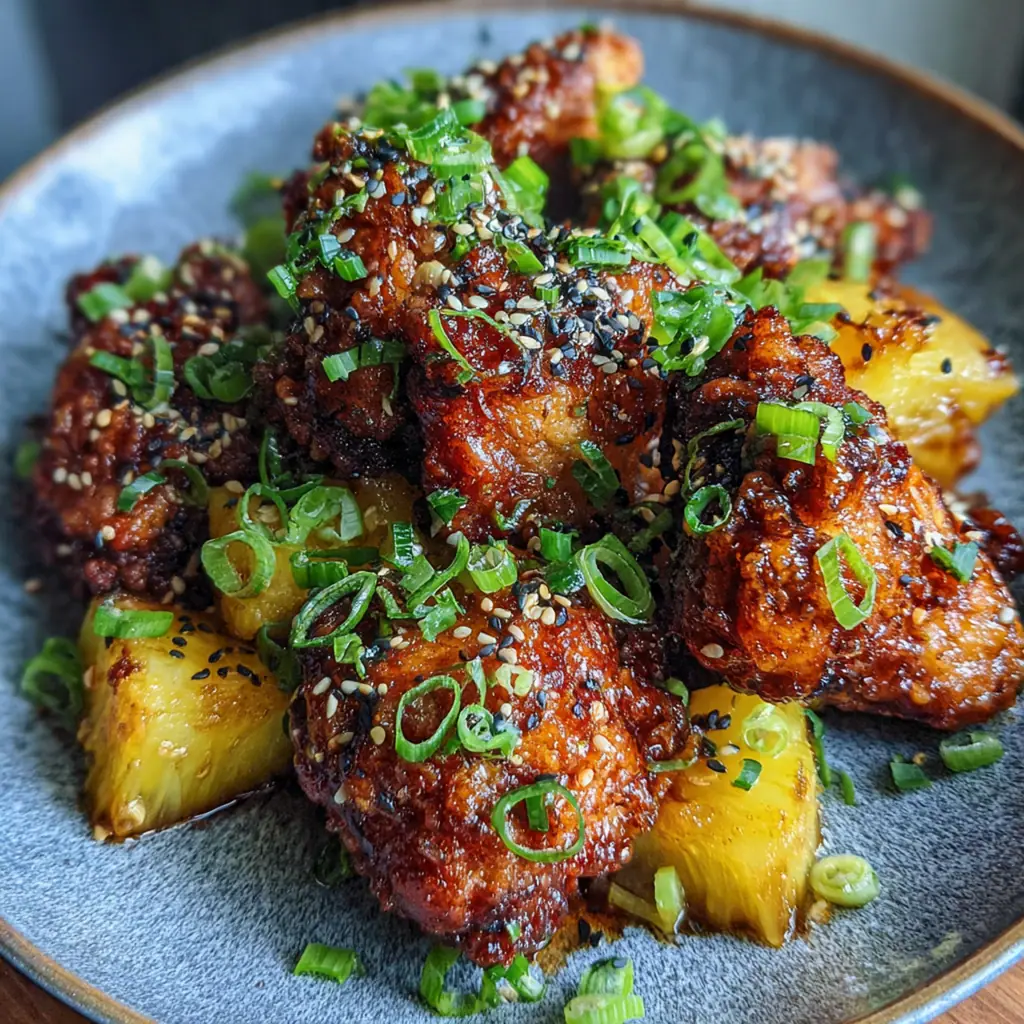
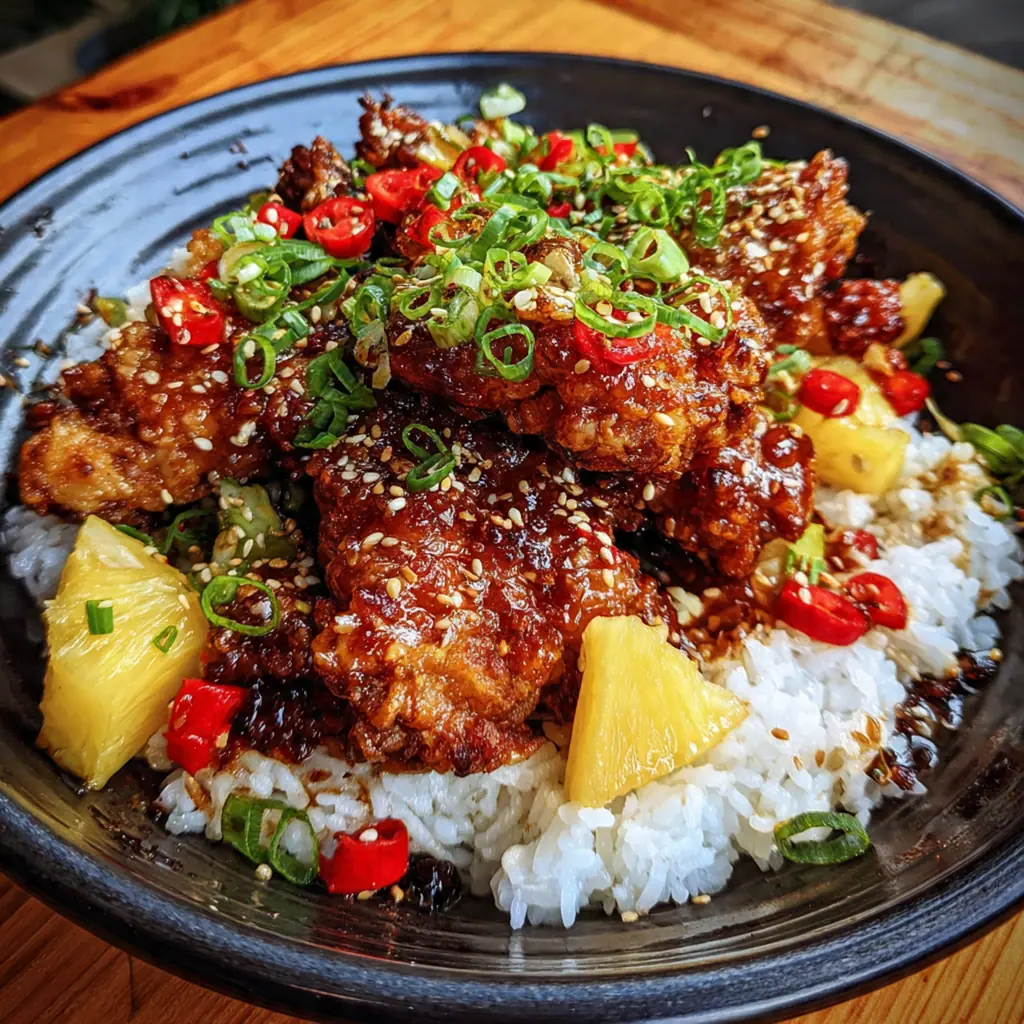
Return all the fried chicken to a large clean bowl and pour the hot glaze over the top. Toss gently but thoroughly to coat every piece in that sticky, garlicky goodness. Garnish with chopped green onions and toasted sesame seeds, then serve immediately over steamed rice with lime wedges on the side for squeezing.
You Must Know
- Patting the chicken bone-dry before dredging makes all the difference in achieving maximum c…
- Don’t skip simmering the reserved marinade—it’s a food safety must and concentrates the flav…
- Use a thermometer to keep your oil steady; temperature drops when you add chicken
- The glaze thickens quickly, so watch it closely during the final simmer
- My personal rule: always make extra rice because the sauce is too good to waste
Storage Tips
Store any leftover Hawaiian Garlic Fried Chicken in an airtight container in the refrigerator for up to three days. To bring back that amazing crispy texture, reheat the chicken in a 375°F oven for 10-12 minutes or pop it in an air fryer at 360°F for 4-5 minutes—avoid the microwave at all costs as it turns the coating soggy and sad. If you have extra glaze, store it separately and drizzle it over the reheated chicken or even use it as a dipping sauce for fresh veggies throughout the week.
Ingredient Substitutions
If you’re out of chicken thighs, you can use breast chunks, just reduce the frying time by a minute or two since breasts cook faster and dry out more easily. For a gluten-free version, swap the soy sauce for tamari and use potato starch instead of cornstarch for dredging—it creates a similarly crispy crust. You can substitute honey for brown sugar if needed, though it might make the glaze slightly thinner. If fresh ginger isn’t available, use 1 teaspoon of ground ginger, though the flavor will be more muted. For a lighter option, you could even bake the dredged chicken at 425°F for 20 minutes, then toss it with the reduced glaze, though you’ll miss out on some of that deep-fried crunch.
Serving Suggestions
The classic pairing is steamed white rice that soaks up every drop of the sticky garlic glaze—coconut rice is an amazing upgrade if you want something extra special. Mac salad is the traditional side in Hawaii, creating a cool, creamy contrast to the hot, savory chicken. For a lighter meal, serve it with grilled pineapple rings and a simple cucumber salad dressed with rice vinegar. Steamed broccoli or green beans add color and nutrients while balancing the richness. I also love setting out extra lime wedges and a bowl of kimchi for a spicy, fermented kick that cuts through the sweetness.
Cultural Context
Hawaiian Garlic Fried Chicken is a beautiful reflection of Hawaii’s plantation history, blending Asian flavors like soy sauce and ginger with American Southern frying techniques and tropical ingredients like pineapple. The term Huli Huli actually means turn and refers to the method of turning the chicken while cooking over an open flame, though this pan-fried version captures the same flavor profile. What makes this dish so special is how it represents the melting pot of Hawaiian cuisine—where Japanese, Chinese, Filipino, Portuguese, and American traditions meet. Every family has their own slight variation, but the core of sweet, salty, and garlicky remains the heart of the flavor. It’s comfort food that tastes like a vacation, bringing the aloha spirit to dinner tables far from the islands.
Pro Tips
- Use a candy thermometer clipped to your skillet for precise oil temperature control
- Don’t overcrowd the pan or the oil temperature will drop and the chicken will steam instead …
- Let the fried chicken rest on a wire rack, never on paper towels which trap steam and cause …
- If your glaze gets too thick while simmering, just whisk in a splash of water or pineapple j…
- For extra garlic intensity, mince two more cloves and stir them into the glaze right before …
Frequently Asked Questions
Unlike traditional Southern fried chicken, Hawaiian Garlic Fried Chicken uses a unique sweet-savory marinade with pineapple juice, brown sugar, and soy sauce. The cornstarch dredge creates a lighter, crispier crust that perfectly complements the garlicky, slightly sweet glaze, delivering authentic island flavors.
Yes! You can marinate the chicken up to 24 hours ahead for deeper flavor. Cooked chicken can be stored in an airtight container for 3-4 days. To reheat and maintain crispiness, use an oven or air fryer at 375°F instead of a microwave.
For authentic Hawaiian flavor, pineapple juice is ideal, but you can substitute with orange juice for similar sweetness and acidity. Apple juice or even a splash of white vinegar mixed with honey can work in a pinch, though the flavor profile will be slightly different.
After frying for 4-5 minutes per batch, the chicken should reach an internal temperature of 165°F (74°C) and have a deep golden-brown color. The outside should be crispy and sound hollow when tapped. The juices should run clear when pierced with a knife.
For a complete Hawaiian meal, serve with white rice, steamed broccoli, or a fresh tropical salad with mango and avocado. The sweet-savory flavors pair beautifully with grilled pineapple rings or a simple cabbage slaw to balance the richness.