


Ruths Chris Ahi Tuna is the appetizer that steals the show at the famous steakhouse, and you can now recreate that magic right in your own kitchen. This copycat recipe focuses on fresh, sushi-grade ahi tuna steaks coated in sesame seeds and seared in mere seconds to keep the center rare and ruby red. A quick ginger-soy dipping sauce adds that signature umami punch that makes every bite feel luxurious. You’ll be amazed at how restaurant-quality elegance fits into a 15-minute timeline, making it perfect for impressing guests or treating yourself to a fancy weeknight dinner.
Why You'll Love This Recipe
- Restaurant-quality elegance in just 15 minutes from start to finish
- Only 11 simple ingredients plus basic pantry staples
- The contrast of warm, crispy crust and cool, rare center is addictive
- Saves a fortune compared to the actual steakhouse price tag
- I make this for date nights and it always feels special
Ingredients You’ll Need
- Sushi-grade ahi tuna steak: The absolute star of the dish, so look for bright red flesh without any fishy smell. It must be labeled sashimi or sushi-grade to ensure it’s safe to eat rare.
- Sesame seeds: These create that essential crunchy, nutty crust. Choose a mix of black and white for the most beautiful visual contrast against the red fish.
- Vegetable oil: A neutral oil with a high smoke point is crucial here. You need it very hot for the sear without adding any competing flavors to the delicate tuna.
- Kosher salt: Its coarse texture helps it adhere better to the fish than table salt. It enhances the natural flavor of the tuna without overwhelming it.
- Freshly ground black pepper: Adds a gentle heat and depth. Freshly grinding it makes a noticeable difference in aroma and flavor compared to pre-ground.
- Soy sauce: The base of our dipping sauce, bringing deep savory umami. Use a good quality one for the best taste, but any standard brand works well.
- Rice vinegar: This provides a bright, clean acidity that cuts through the richness of the fish. It balances the salty soy sauce perfectly in the dip.
- Fresh ginger: Minced ginger adds a zesty, warming kick. For the freshest flavor, buy a whole knob of ginger root and grate it yourself just before making the sauce.
- Garlic: One clove minced finely enough to melt into the sauce without leaving large chunks. It adds a savory backbone that complements the ginger.
- Sesame oil: This is a finishing oil, so a little goes a long way. It adds a distinct, toasty nuttiness that is irreplaceable in the dipping sauce.
- Green onions: Thinly sliced for a fresh, sharp bite and a pop of green color. They lighten up the rich flavors of the soy sauce and sesame.
- Wasabi paste: If you love heat, a tiny dab of wasabi alongside the tuna mimics the classic sushi experience. It wakes up your palate instantly.
- Pickled ginger: Served on the side, this cleanses your palate between bites so you taste the freshness of each new piece. Look for bright pink slices.
- Sesame oil for drizzling: An extra drizzle over the sliced tuna just before serving adds a final layer of aroma and rich, nutty flavor that screams steakhouse quality.
How to Make It
Bring the Tuna to Temperature:
Take your ahi tuna steaks out of the fridge about 10 minutes before you plan to cook. This short rest takes the chill off the fish, which helps the interior stay rare while the outside sears evenly in the hot pan.
Pat the Tuna Completely Dry:
Use paper towels to thoroughly dry every surface of the tuna steaks. Any moisture left on the fish will steam it instead of allowing a proper sear, so don’t skip this step for that perfect crust.
Season Generously:
Sprinkle kosher salt and freshly ground black pepper evenly over both sides of each tuna steak. Press the seasoning into the flesh gently with your fingertips to help it adhere before the sear.
Create the Sesame Crust:
Spread your sesame seeds out on a flat plate or shallow dish. Firmly press each side of the seasoned tuna into the seeds, coating them generously for a thick, even crust that covers the entire surface.
Whisk Up the Ginger-Soy Sauce:
In a small bowl, combine the soy sauce, rice vinegar, minced fresh ginger, minced garlic, and sesame oil. Whisk until well blended, then stir in the sliced green onions and set the sauce aside for serving.
Heat the Skillet Until Smoking:
Pour vegetable oil into a heavy skillet, preferably cast iron, and turn the heat to high. Let it heat up for about 2-3 minutes until you see wisps of smoke just starting to rise from the surface.
Sear the Tuna Steaks Quickly:
Carefully place the sesame-crusted tuna into the screaming hot skillet. Sear for exactly 60-90 seconds per side for a perfect medium-rare, watching for the seeds to turn golden and toasty.
Sear the Edges:
Using tongs, hold each tuna steak on its side for 15-20 seconds at a time. This lightly toasts the sesame seeds on the edges, creating a fully crusted piece of fish with a beautiful texture all around.
Rest and Slice:
Remove the tuna immediately to a cutting board and let it rest for 2 minutes. Slice each steak against the grain into 1/4-inch thick pieces and arrange them on a platter with the ginger-soy sauce for dipping.
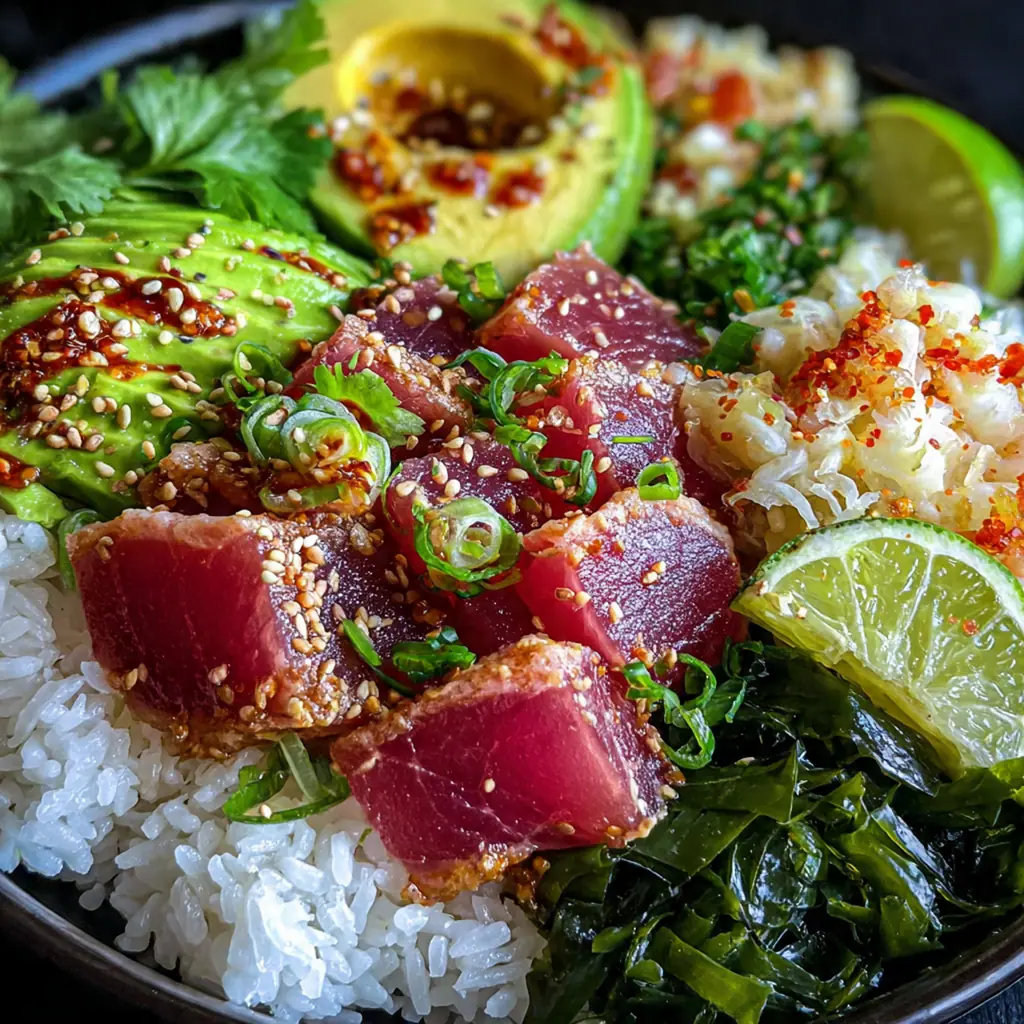
You Must Know
- Sushi-grade tuna is non-negotiable for safety and texture.
- High heat and a short sear are the secrets to a rare center.
- A timer is your best friend to prevent overcooking.
- I never rush the rest after searing—it makes a difference.
Storage Tips
Ahi tuna is truly best when eaten right away while the outside is warm and the center is cool and rare. If you have leftovers, refrigerate them immediately in an airtight container for up to 24 hours, but be aware the texture will become firmer and more well-done as it chills. I honestly don’t recommend freezing sushi-grade tuna after it’s been cooked because it ruins that delicate, melt-in-your-mouth quality you worked so hard to achieve.
Ingredient Substitutions
If you can’t find sushi-grade ahi tuna, you could try using high-quality salmon, but you must still buy it labeled for raw consumption. For the sesame seeds, crushed pistachios or almonds are a fantastic swap if you’re allergic or just want a different nutty flavor profile. To make the dish soy-free, substitute tamari or coconut aminos in the dipping sauce for an equally delicious and savory result. If fresh ginger is unavailable, a pinch of ground ginger can work in a pinch, but the fresh flavor is much brighter.
Serving Suggestions
Serve this elegant ahi tuna as an appetizer for four people to start a special meal, or double the portion size and serve it as a main course for two alongside an arugula salad with a sharp vinaigrette. For the ultimate Ruth’s Chris experience, pair it with a classic Caesar salad and a glass of crisp, chilled Sauvignon Blanc that cuts through the richness. It’s also wonderful with simple roasted vegetables or a side of miso soup for a lighter meal.
Cultural Context
This dish perfectly marries Japanese technique with classic American steakhouse luxury, creating a crossover that feels both traditional and upscale. While true Japanese sashimi relies on pristine fish and simple soy sauce, the heavy sesame crust and steakhouse presentation are purely a modern American invention. It became a staple on upscale restaurant menus in the 1990s as diners began embracing raw fish preparations. Now, you’ll find this style of seared tuna everywhere, but the Ruth’s Chris version remains iconic for its simplicity and focus on high-quality ingredients.
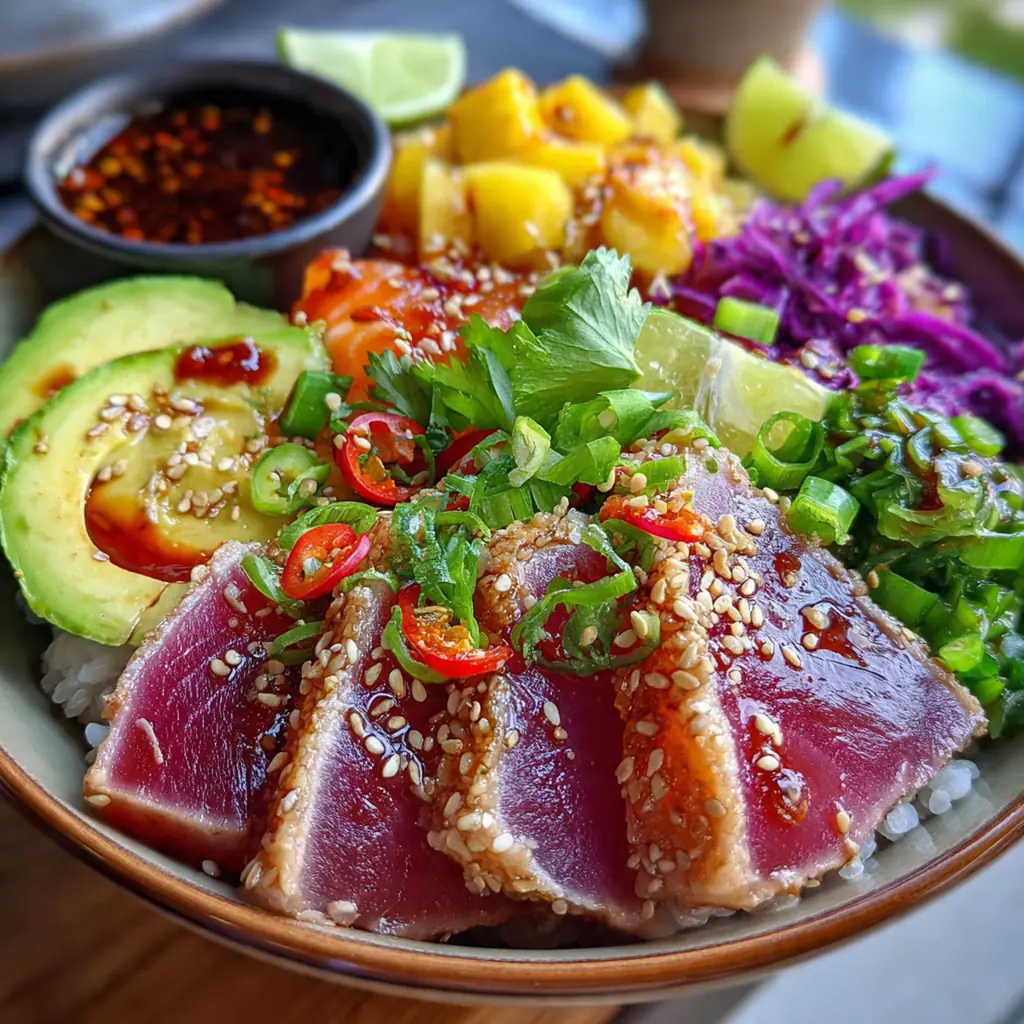
Pro Tips
- Never use regular frozen tuna—only sushi-grade for safety and the best taste.
- If seeds aren’t sticking, brush the tuna lightly with soy sauce first.
- Use a cast iron skillet for the absolute best sear.
- Drizzle with sesame oil right before serving for restaurant flair.
Frequently Asked Questions
You must use high-quality sushi-grade ahi tuna steaks for this Ruths Chris Ahi Tuna recipe. This ensures the fish is safe to eat raw in the center and has a firm, meaty texture that sears beautifully without overcooking.
It is best served immediately after searing for the perfect texture. However, you can prep the dipping sauce and slice the tuna up to 24 hours in advance. Keep the tuna tightly wrapped in the refrigerator until you are ready to sear it.
If you don’t have sesame seeds, you can coat the tuna in finely crushed almonds or pistachios for a similar nutty crunch. Alternatively, a simple salt and pepper crust lets the flavor of the fresh fish shine through.
Cook the tuna for only 60 to 90 seconds per side. The goal is a golden-brown crust while keeping the center rare and pink. The internal temperature should not exceed 115°F for the best texture.
As an appetizer, serve this with avocado slices or a light cucumber salad. For a main course in the American Steakhouse style, pair it with mashed potatoes and grilled asparagus or a crisp green salad.