


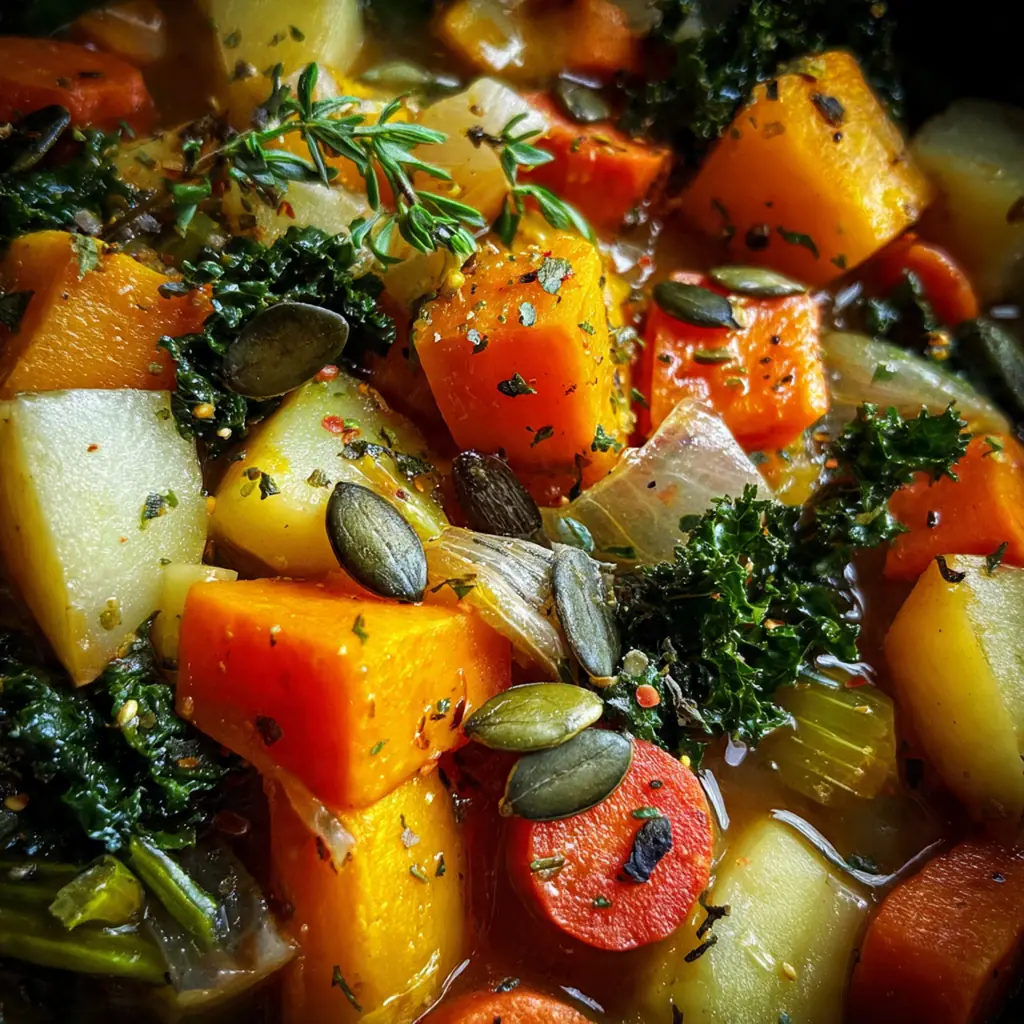
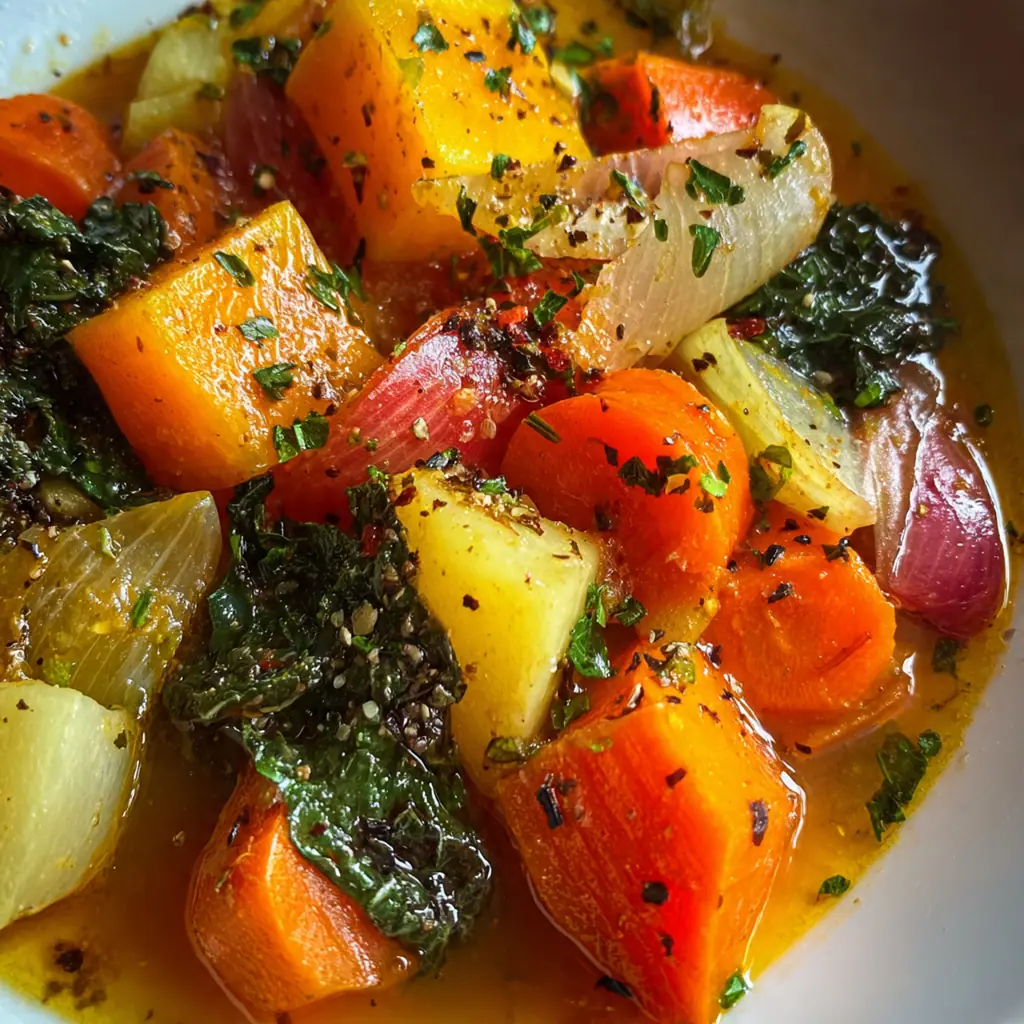
This Fall Harvest Stew is my go-to recipe the moment the air gets crisp and the leaves start to turn. It’s a celebration of everything autumn has to offer, all simmered together in one pot until tender and rich. As an American classic, this stew is less about fancy techniques and more about letting the beautiful, seasonal vegetables shine. You’ll love how the simple prep leads to a deeply satisfying meal that truly feels like a hug in a bowl.
Why You'll Love This Recipe
- It’s the ultimate cozy one-pot meal with almost no cleanup
- Packed with the best in-season vegetables for a nourishing dinner
- The flavor deepens beautifully, making leftovers even better
- Naturally vegetarian and gluten-free, so it works for many diets
- Your whole house will smell like a perfect autumn day
Ingredients You’ll Need
- Olive oil: for sautéing the aromatics and building the stew’s flavor foundation a good extra virgin olive oil adds a lovely fruity note
- Yellow onion: the savory-sweet base that builds the stew’s depth choose one that feels firm and heavy for its size
- Garlic: minced fine to release its aromatic punch that infuses the entire pot look for plump, tight cloves without any green sprouts
- Carrots: they add sweetness and a wonderful texture peeled and chopped into hearty rounds for even cooking
- Parsnips: their earthy, slightly peppery flavor is pure fall magic pick smooth, firm roots that aren’t too woody
- Butternut squash: it breaks down a bit to thicken the stew and adds a creamy sweetness look for a squash that feels heavy with a matte, beige skin
- Tomato paste: concentrated umami that gives the broth a richer, deeper background flavor let it cook for a minute to caramelize slightly
- Fresh thyme leaves: earthy and warm, it’s the quintessential fall herb if using dried, use about a third of the amount
- Chopped fresh rosemary: piney and aromatic, it cuts through the sweetness with its bold flavor dried rosemary can be quite strong, so use less
- Vegetable broth: the liquid backbone that brings everything together a good quality broth makes all the difference here
- Yukon Gold potatoes: their waxy texture holds up well in the stew and they thicken the broth slightly as they cook
- Cannellini beans: for creamy texture and plant-based protein that makes the stew more filling always rinse canned beans to remove the starchy liquid
- Kosher salt: seasons the vegetables and broth from within coarse salt is easier to control than fine table salt
- Freshly ground black pepper: adds a gentle heat and aromatic complexity always grind it fresh for the best flavor
- Kale: a pop of vibrant green and sturdy texture that wilts perfectly into the hot stew remove the tough stems first for the best eating experience
How to Make It
Start With the Aromatics:
Heat your olive oil in a large, heavy pot over medium heat. Add your diced onion and let it cook slowly, stirring now and then. You want it to become soft and translucent, not browned, which takes about five to seven minutes. This gentle cooking builds a sweet, savory foundation for your entire Fall Harvest Stew.
Toast the Garlic and Herbs:
Stir in your minced garlic and let it cook for just a minute until it becomes incredibly fragrant. Don’t walk away here, as garlic can burn quickly and turn bitter. That quick toast unlocks its full flavor potential before you add the other vegetables.
Brown the Hearty Roots:
Add your carrot and parsnip pieces to the pot. Let them cook for a solid five minutes, giving them an occasional stir. This step isn’t just about softening them; it’s about getting a little caramelization on their edges, which adds a wonderful depth of flavor to your stew.
Incorporate Squash and Tomato Paste:
Now, add your cubed butternut squash, tomato paste, thyme, and rosemary. Stir everything vigorously so the tomato paste coats every vegetable piece and the herbs are evenly distributed. Cook this mixture for another two minutes to let the tomato paste darken slightly and the herbs become aromatic.
Deglaze and Simmer:
Pour in all your vegetable broth, using a wooden spoon to scrape up any flavorful browned bits stuck to the bottom of the pot. Turn the heat up to high and bring the stew to a rolling boil. Once boiling, add your potato cubes, reduce the heat to low, cover the pot, and let it simmer gently for thirty minutes.
Check for Tenderness:
After the simmer, the potatoes and squash should be perfectly fork-tender. This is when you stir in your drained beans, kosher salt, and black pepper. Let the stew continue to simmer, but now without the lid, for about ten more minutes. This allows the beans to heat through and the flavors to really come together.
Finish With Greens:
Turn off the heat. Add your roughly chopped kale directly into the hot stew and stir it in. The residual heat is enough to wilt the kale beautifully in just a couple of minutes, keeping its vibrant color and a slight texture. Give the stew a final taste and adjust the salt and pepper if it needs it.
Serve and Enjoy:
Ladle your hearty Fall Harvest Stew into deep bowls while it’s piping hot. This is the moment to add your favorite toppings, like a sprinkle of Parmesan or a dollop of sour cream. Don’t forget a piece of crusty bread on the side for dipping into that glorious broth.
You Must Know
- Letting the tomato paste cook for a minute deepens its flavor significantly
- Adding the kale at the very end keeps it bright and tender
- The stew thickens naturally as the squash breaks down a bit
- I always make a double batch because it’s that good the next day
Storage Tips
Let your Fall Harvest Stew cool completely before transferring it to airtight containers for storage. It’ll keep beautifully in the fridge for up to five days, and honestly, I think it tastes even better on days two and three as the flavors marry. For longer storage, you can freeze it for up to three months in freezer-safe bags or containers. When you’re ready, just thaw it overnight in the refrigerator and reheat it gently on the stovetop, adding a splash of broth if it seems too thick.
Ingredient Substitutions
You’ve got plenty of room to play with the vegetables in this Fall Harvest Stew. Swap parsnips for more carrots or even a diced sweet potato. If butternut squash isn’t your thing, try acorn squash or pumpkin instead. Any sturdy potato works, so russets or red bliss are fine, and you can use chickpeas or great northern beans in place of the cannellini. For the kale, chard or spinach are great swaps, just add spinach at the very last second. If you’re out of fresh herbs, remember the general dried-to-fresh ratio is about one to three.
Serving Suggestions
This stew is a complete meal in a bowl, but I love serving it with a thick slice of toasted sourdough or a crusty baguette for soaking up every last drop of the savory broth. For a lighter side, a simple green salad with a sharp vinaigrette cuts through the richness perfectly. On a really chilly night, a sprinkle of grated Parmesan cheese and a swirl of heavy cream make it feel extra indulgent. It’s also fantastic with a dollop of pesto on top for a herby, garlicky kick.
Cultural Context
This Fall Harvest Stew fits right into the tradition of American farmhouse cooking, where simplicity and seasonality reign supreme. It’s rooted in the practice of using what’s abundant from the late harvest – the hard squash, the root vegetables, the last of the fresh herbs – to create a nourishing, communal meal that can feed a family or a crowd. You’ll find similar concepts in harvest festivals and Thanksgiving tables across the country, celebrating the bounty of the land. It’s a dish that speaks to comfort, resourcefulness, and the cozy transition into the colder months, much like a New England boiled dinner or a Southern vegetable soup.
Pro Tips
- For a thicker stew, mash a few potato cubes against the pot before serving
- A splash of apple cider vinegar at the end brightens all the flavors
- Don’t skip scraping the browned bits when adding the broth
- I always add an extra pinch of salt to the kale as it wilts
Frequently Asked Questions
Sweet potato or acorn squash are excellent substitutes for butternut squash. Both will provide a similar sweet, hearty texture and cook in about the same time, so your Fall Harvest Stew will still turn out perfectly.
Absolutely! This stew’s flavors meld and deepen overnight. Let it cool completely, then store it in an airtight container in the fridge for up to 4 days. Reheat gently on the stovetop, adding a splash of broth if needed.
Swiss chard or spinach are great alternatives. For chard, add chopped stems with the potatoes and leaves at the end with the kale. For spinach, stir it in right at the end, just until wilted.
The stew is ready when all the vegetables, especially the potatoes and butternut squash, are tender when pierced with a fork. The broth will have thickened slightly, and the kale will be vibrant green and wilted.
This hearty stew is a complete meal on its own! For a classic American comfort meal, pair it with a slice of crusty bread, cornbread, or a simple side salad to scoop up the delicious broth.