

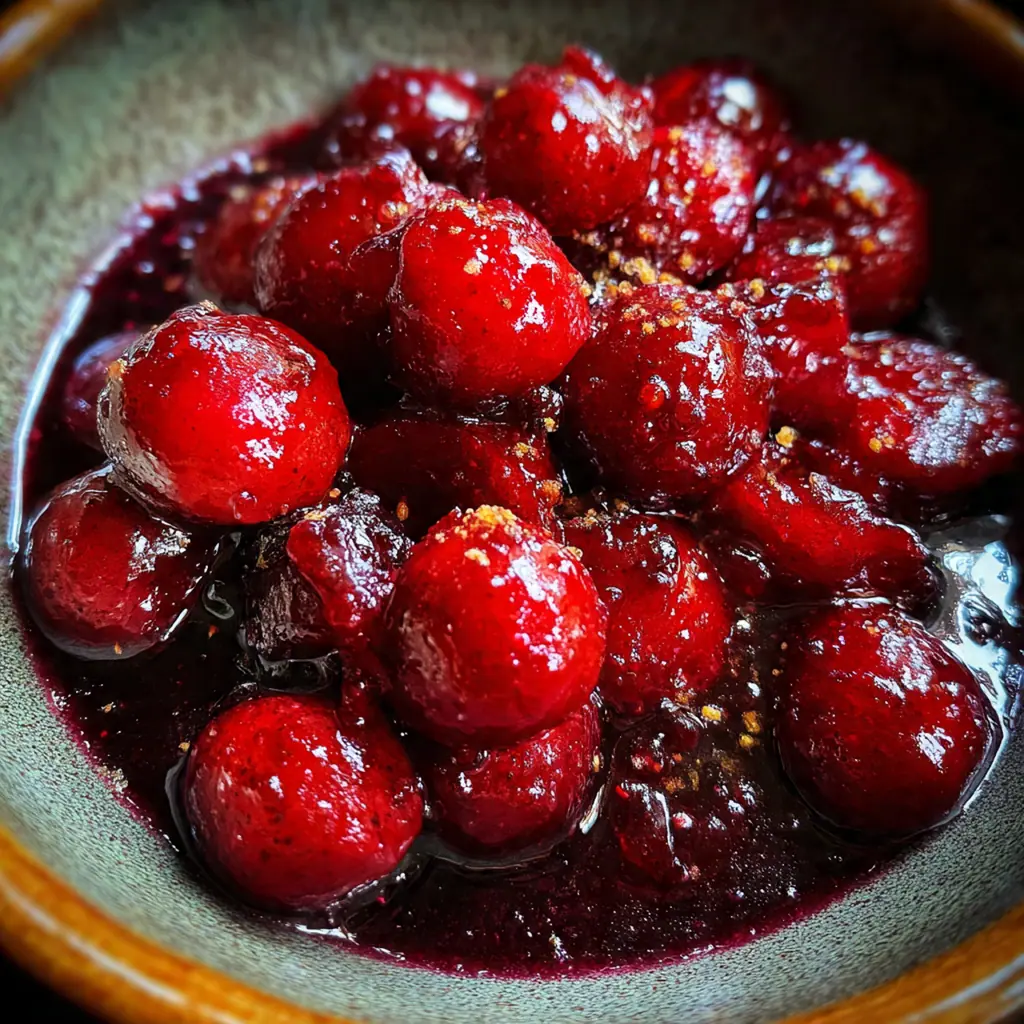
This authentic Wojapi Berry Sauce brings the heart of Lakota cuisine straight to your kitchen with its deep, tart-sweet flavor. I fell in love with this traditional berry sauce during a visit to the Dakotas, where elders shared how slow simmering coaxes out the pure essence of wild berries. Unlike modern fruit sauces that rely on refined sugar and thickeners, this wojapi uses natural pectin and a simple cornstarch slurry to achieve that perfect jammy consistency. You’ll taste the difference that patience makes as the berries break down into something truly special. Whether you’re exploring Native American cooking traditions or just want a healthier alternative to store-bought syrups, this recipe delivers bold flavor without any artificial additives.
Why You'll Love This Recipe
- Authentic preparation method honors Lakota culinary traditions
- No refined sugar—naturally sweetened with maple syrup or honey
- Versatile sauce works with both sweet and savory dishes
- Packed with antioxidants from mixed wild berries
- Naturally gluten-free and vegan, perfect for dietary restrictions
- I make double batches and freeze the cubes for quick breakfasts
Ingredients You’ll Need
- Mixed berries (blueberries, chokecherries, wild strawberries, huckleberries): These provide the tart-sweet foundation and natural pectin for thickening. Fresh or frozen both work beautifully, so choose whatever’s available or forage your own for the most authentic flavor.
- Water: Helps create the initial cooking liquid and prevents scorching while the berries release their juices. Use filtered water if your tap water has a strong taste.
- Maple syrup or wild honey: Adds natural sweetness that complements rather than masks the berry flavors. Grade A dark maple syrup gives deeper notes, while raw honey adds floral complexity.
- Fresh lemon juice: Brightens the entire sauce and helps preserve the vibrant color. Always use fresh squeezed—the bottled kind has a flat, metallic taste that won’t do justice to your berries.
- Sea salt: Just a pinch enhances all the other flavors and balances the tartness. Fine sea salt dissolves more evenly than coarse kosher salt in this application.
- Ground cinnamon (optional): This traditional addition adds warmth and depth without overpowering. Use Ceylon cinnamon if you can find it for a more delicate spice note.
- Cornstarch or ground dried root starch: The thickener that transforms your berry juice into a spoon-coating sauce. Arrowroot powder works great for corn-free diets and creates an even glossier finish.
- Cold water (for slurry): Essential for dissolving the starch without lumps. Always mix your thickener with cold liquid first—hot water causes clumping.
- Vanilla extract (optional): A splash adds surprising depth and rounds out any sharp edges in the flavor. Pure vanilla extract makes a noticeable difference over imitation.
- Fresh sage leaves: The traditional garnish adds an earthy aroma that signals authentic Lakota presentation. Bruise the leaf slightly between your fingers to release its oils before garnishing.
How to Make It
Prepare Your Berries:
Rinse fresh berries gently under cool running water, picking out any stems or leaves that might have snuck in. If you’re using frozen berries, keep them frozen—no need to thaw since they’ll release their juices during cooking. This frozen trick actually helps control the cooking temperature and prevents mushy berries.
Mix Your Thickener:
Grab a small bowl and whisk together the cornstarch with those 2 tablespoons of cold water until completely smooth. This slurry is your secret weapon for a perfectly thick sauce without any lumps. Set it aside where you can reach it easily—you’ll need to stir it again before using since starch settles quickly.
Combine Your Base Ingredients:
Toss your berries, half cup of water, maple syrup, lemon juice, salt, and cinnamon if you’re using it into a medium saucepan. Place it over medium-high heat and stir everything together until it starts bubbling gently. Don’t walk away—once berries heat up, they can go from simmer to boil pretty fast.
Simmer to Break Down the Fruit:
Reduce the heat to medium-low and let it gently bubble for 20 to 25 minutes, stirring every few minutes. You’ll see the berries soften and burst, releasing all their gorgeous juices and natural pectin. If you’re using chokecherries, the seeds will naturally separate during this slow cooking process.
Add Your Thickener:
After about 20 minutes, your sauce should be noticeably thicker and the berries mostly broken down. Give that cornstarch slurry a good stir—seriously, scrape the bottom—and slowly drizzle it into the simmering berry mixture while stirring constantly. Pour slowly to prevent any sudden thickening or clumps.
Finish the Simmer:
Keep simmering for another 8 to 10 minutes, stirring frequently now, until your sauce reaches that beautiful spreadable consistency similar to jam. You’ll know it’s ready when it coats the back of a spoon and leaves a clear trail if you run your finger through it. The sauce continues thickening as it cools, so don’t overdo it.
Add Final Touches:
Remove the pan from the heat and stir in vanilla extract if you’re using it. Let it rest for just 5 minutes—it’ll thicken up more during this short rest. Taste it now and add a touch more maple syrup if you prefer it sweeter, though traditional wojapi is meant to be tart-sweet.
Serve and Garnish:
Transfer your sauce to a serving bowl and if you want to go traditional, float a fresh sage leaf on top or scatter a few whole berries. This wojapi is incredibly versatile—serve it warm over fry bread, at room temperature with game meats, or chilled on yogurt. The flavor actually deepens overnight.
Store for Later:
Once completely cooled, transfer to glass jars and refrigerate. The sauce will keep beautifully for up to two weeks, though I doubt it’ll last that long once you start using it on everything.
Breakfast Upgrade:
This makes an incredible topping for oatmeal, pancakes, or waffles that beats any syrup you can buy. The tart-sweet balance wakes up your morning and adds real nutrition from all those berries. Try stirring a spoonful into plain yogurt for an instant parfait base.
Savory Pairings:
Don’t overlook how amazing this is with savory dishes! Serve it alongside roasted venison, buffalo steaks, or even pork chops—the fruitiness cuts through rich meats beautifully. It’s also fantastic as a glaze brushed on during the last few minutes of cooking.
Traditional Lakota Meal:
For the full experience, spoon this over fresh fry bread or bannock with a side of stewed meat. The combination of the slightly sweet, chewy bread with that bright, tart berry sauce is pure comfort food that connects you directly to Plains Indian food traditions.
Freezer Meal Prep:
Pour cooled sauce into ice cube trays and freeze, then pop out the cubes and store them in a freezer bag. You’ll have instant portions ready to thaw overnight in the fridge or gently warm in a small saucepan. This is perfect for busy mornings when you want something homemade but don’t have time.
Adjusting Consistency:
If your sauce gets too thick after refrigerating (it usually does), just stir in a tablespoon of warm water to loosen it back up. Conversely, if it’s too thin, return it to low heat and simmer a bit longer, or make a smaller fresh slurry to boost the thickness.
Straining Option:
If you’re using chokecherries and find the seeds objectionable, strain the finished sauce through a fine mesh sieve while it’s still hot. Press gently with the back of a ladle to extract all the good sauce while leaving seeds behind. Many people actually prefer the texture with seeds, so taste first before you decide.
You Must Know
- Traditional wojapi uses wild berries—blueberries and chokecherries are most authentic. If yo…
- The sauce will thicken significantly as it cools. If it becomes too thick, stir in a tablesp…
- Don’t rush the simmering process—slow cooking extracts maximum flavor and natural pectin fro…
- I learned this patience trick from a Lakota elder who said the berries will tell you when th…
- For a smoother sauce, mash berries with a potato masher during cooking. Traditional wojapi i…
- If using chokecherries, you may want to strain the sauce through a fine mesh sieve after coo…
Storage Tips
Store your finished wojapi in a clean glass jar with a tight-fitting lid in the refrigerator—it’ll stay fresh and flavorful for up to 2 weeks. For longer storage, pour the cooled sauce into ice cube trays and freeze until solid, then transfer the frozen cubes to a freezer bag where they’ll keep for 3 months. When you’re ready to use frozen wojapi, thaw the cubes overnight in the fridge or place them in a small saucepan over low heat with a splash of water to gently warm through. The sauce may separate slightly after freezing, but just give it a good stir when it’s thawed and it’ll come back together perfectly. Always use clean utensils when scooping from your storage jar to prevent any bacterial contamination that could shorten its shelf life.
Ingredient Substitutions
If maple syrup or honey isn’t your thing, you can omit the sweetener entirely and let the ripe berries’ natural sugars shine, especially if you’re using wild berries that are perfectly in season. For corn-free diets, swap the cornstarch for arrowroot powder or traditional ground dried root starch—use the same amount and mix it with cold water just like you would cornstarch. Any mix of berries works beautifully, so use what you have access to; blackberries, raspberries, and even cranberries can stand in for the traditional wild varieties, though you might need to adjust the sweetener depending on their natural tartness. If fresh lemon juice isn’t available, a mild white wine vinegar can provide that necessary acid kick, though start with just a teaspoon since vinegar is stronger than lemon juice. The optional vanilla extract can be swapped for a splash of bourbon or brandy if you want to add a different kind of depth that works especially well when serving with game meats.
Serving Suggestions
Serve your wojapi warm over fresh fry bread or bannock for the most traditional Lakota experience—the hot bread soaks up the sauce beautifully and creates a perfect handheld treat. It’s incredible as a condiment alongside roasted game meats like venison, buffalo, or even wild boar, where the tart berry flavor cuts through the richness. For breakfast, try spooning it over oatmeal, pancakes, waffles, or stirred into plain yogurt for a protein-packed start to your day. As a dessert topping, it’s divine over vanilla ice cream, cheesecake, or even simple pound cake where the bright fruit flavor provides a welcome contrast. I love mixing a few tablespoons into sparkling water for a refreshing homemade soda, or swirling it into cream cheese for an instant bagel spread that’s far more interesting than plain strawberry jam.
Cultural Context
Wojapi is a traditional Lakota berry sauce that has been nourishing Plains Indian communities for generations, representing both sustenance and ceremony in equal measure. The slow simmering method honors the way ancestors cooked over open fires, patiently coaxing every bit of flavor and nutrition from wild berries foraged from the prairies and woodlands. Traditional wojapi was thickened with the natural pectin from berries themselves, sometimes enhanced with ground dried roots, and often served at gatherings, ceremonies, and as a daily staple alongside pemmican or other preserved meats. Modern versions like this one keep the core techniques intact while offering accessible ingredients for home cooks who want to connect with this important culinary heritage. Making wojapi isn’t just about creating a delicious sauce—it’s about participating in a food tradition that values patience, respects natural ingredients, and celebrates the seasonal bounty of the land.
The sauce holds special significance in Lakota culture because it embodies the deep connection between people, land, and food that characterizes Indigenous foodways. Every spoonful carries the stories of women who taught their children which berries to pick, when to harvest, and how to transform them into something that could sustain families through lean times and celebrate during abundant ones. Contemporary Lakota cooks continue preparing wojapi much the same way their ancestors did, using traditional berries when possible or adapting with whatever wild fruits are available in their region. This adaptability is part of what makes the recipe so enduring—it’s not about rigid adherence to exact ingredients but rather understanding the method and spirit behind it. When you make this sauce at home, you’re taking part in a living tradition that connects past and present while creating something nourishing for your own family.
Pro Tips
- Start with wild berries if you can safely forage them—they’re smaller and more intense than …
- Cook low and slow to extract maximum flavor; rushing this step creates a one-dimensional sauce
- The sauce thickens as it cools, so judge consistency while it’s still simmering, not after r…
- Taste before serving and adjust sweetness based on your berry tartness—there’s no single rig…
- I always make extra and freeze the cubes for quick gifts during the holidays
- Use a heavy-bottomed pot to prevent scorching and ensure even heat distribution
Frequently Asked Questions
Traditional Wojapi uses wild berries like chokecherries, wild strawberries, or huckleberries, but you can use fresh or frozen blueberries, raspberries, or a mixed berry blend. The key is using tart-sweet berries that break down easily when simmered.
Yes! Wojapi stores beautifully. Let it cool completely, then refrigerate in an airtight container for up to one week. The flavors actually deepen overnight. Reheat gently on the stovetop or in the microwave, adding a splash of water if it’s too thick.
Traditional recipes use wild honey, which is an excellent substitute. You can also use brown sugar, agave nectar, or even date syrup. Adjust the amount based on your berry sweetness and personal preference for tartness.
The sauce is ready when it coats the back of a spoon thickly and leaves a clear trail when you run your finger through it. It should have reduced by about one-third and hold its shape slightly when stirred. This typically takes 30-35 minutes of gentle simmering.
This versatile Lakota condiment pairs wonderfully with fry bread, roasted meats, game, wild rice, bannock, pancakes, or even as a glaze for salmon. It’s also fantastic as a dipping sauce for fresh bread or drizzled over vanilla ice cream.