

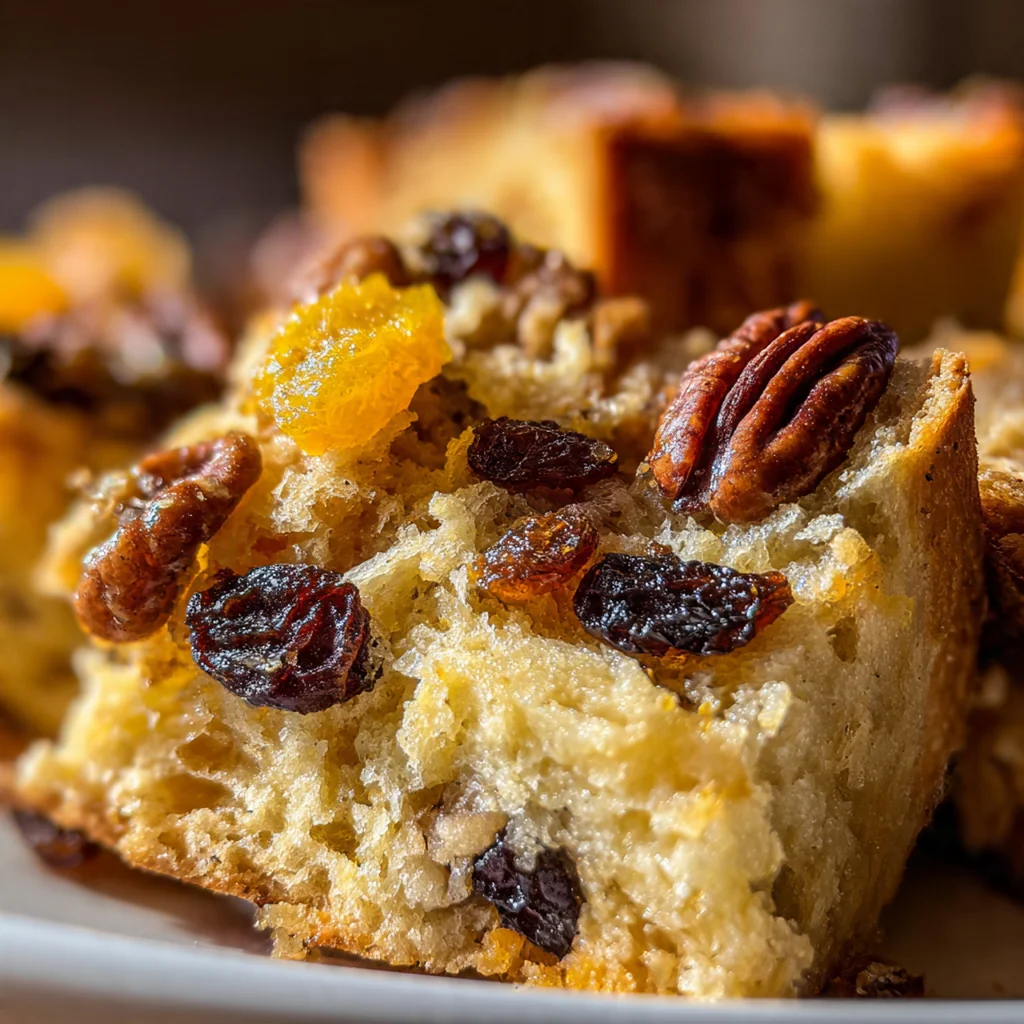
Capirotada Raisins Pecans Bread has been the heart of my family’s Lenten celebrations for as long as I can remember. This traditional Mexican bread pudding layers toasted bread with raisins, pecans, and cheese in a spiced piloncillo syrup, creating a dessert that’s both comforting and complex. Every bite tells a story of heritage and home, making it more than just a sweet treat. You’ll find it’s perfect for festive gatherings or a cozy night in, offering a unique blend of sweet and savory flavors that everyone adores.
Why You'll Love This Recipe
- Comforting dessert perfect for family gatherings and holiday traditions
- Delightful mix of textures from soft bread, chewy raisins, and crunchy pecans
- Spiced piloncillo syrup adds authentic Mexican flavor that’s sweet and aromatic
- Can be prepared ahead and reheated for stress-free entertaining
Ingredients You’ll Need
- Piloncillo: Unrefined cane sugar for deep, molasses-like sweetness; cones should be hard and dark for best flavor.
- Cinnamon sticks: Infuse the syrup with warm, aromatic notes; whole sticks are preferred over ground.
- Whole cloves: Add a hint of spicy warmth that complements the cinnamon without overpowering.
- Water: Dissolves the piloncillo and extracts flavors from the spices to create the syrup base.
- Day-old French bread or bolillos: Stale bread absorbs liquid without becoming mushy, giving the pudding structure.
- Unsalted butter: Brushed on bread before toasting for richness and a golden, crisp exterior.
- Raisins: Plump up during baking for chewy sweetness that contrasts with crunchy pecans.
- Pecans: Roughly chopped for satisfying crunch and buttery flavor that pairs with sweet syrup.
- Queso fresco: Mild, crumbly cheese adds subtle savory note to balance sweetness; Monterey Jack works too.
- Eggs: Bind the custard for a firm, set texture after baking.
- Whole milk: Creates rich, creamy custard that soaks into bread; higher fat means better flavor.
- Vanilla extract: Enhances sweetness and adds warm, floral aroma to the custard.
- Ground cinnamon: Reinforces spiced flavor throughout the dish when mixed into the custard.
- Additional pecans for garnish: Toasted on top for extra crunch and visual appeal.
- Powdered sugar for dusting: Light dusting for pretty finish and a touch of extra sweetness.
How to Make It
Preheat and Prep:
Start by preheating your oven to 350°F and greasing a 9×13 inch baking dish with butter or cooking spray. This ensures even baking and prevents sticking, so your capirotada comes out easily. I always use butter for a richer flavor, but cooking spray is a quick alternative.
Make the Spiced Syrup:
In a medium saucepan, combine piloncillo, cinnamon sticks, cloves, and water. Bring to a boil over medium-high heat, stirring to dissolve the piloncillo, then reduce heat and simmer for 15-20 minutes. The syrup should reduce to about 2 cups and thicken slightly—it’s ready when it coats the back of a spoon. Discard the cinnamon sticks and cloves; they’ve infused their warm spices into the liquid.
Toast the Bread:
Brush both sides of your bread slices with melted butter and arrange them on a baking sheet. Toast in the preheated oven for 8-10 minutes, turning once, until they’re lightly golden. This step adds richness and helps the bread hold up in the pudding without becoming too soggy. Watch closely to avoid burning.
Whisk the Custard:
In a large bowl, whisk together eggs, milk, vanilla extract, and ground cinnamon until well combined and smooth. This custard mixture gives the capirotada its creamy, set texture after baking. Ensure no egg streaks remain for even distribution throughout the dish.
Assemble the Layers:
Place a single layer of toasted bread in the prepared baking dish. Sprinkle with a third of the raisins, pecans, and crumbled cheese, then drizzle with a third of the spiced syrup. Repeat this layering two more times, ending with a layer of bread on top if needed. Press down gently as you go to compact the layers.
Add the Custard:
Pour the whisked custard evenly over the entire assembled dish. Use a spoon or your hands to press down gently, ensuring the bread absorbs the liquid thoroughly. This step is key for a moist, cohesive pudding that slices neatly.
Bake to Perfection:
Cover the dish with aluminum foil and bake for 20 minutes. Then remove the foil and bake for an additional 15-20 minutes, or until the top is golden brown and the center is set. A knife inserted in the center should come out clean, indicating it’s done.
Cool and Serve:
Let the capirotada cool for 10-15 minutes before serving. This allows the layers to set further, making it easier to slice into portions. It’s hard to wait, but this resting time ensures every bite holds together perfectly.
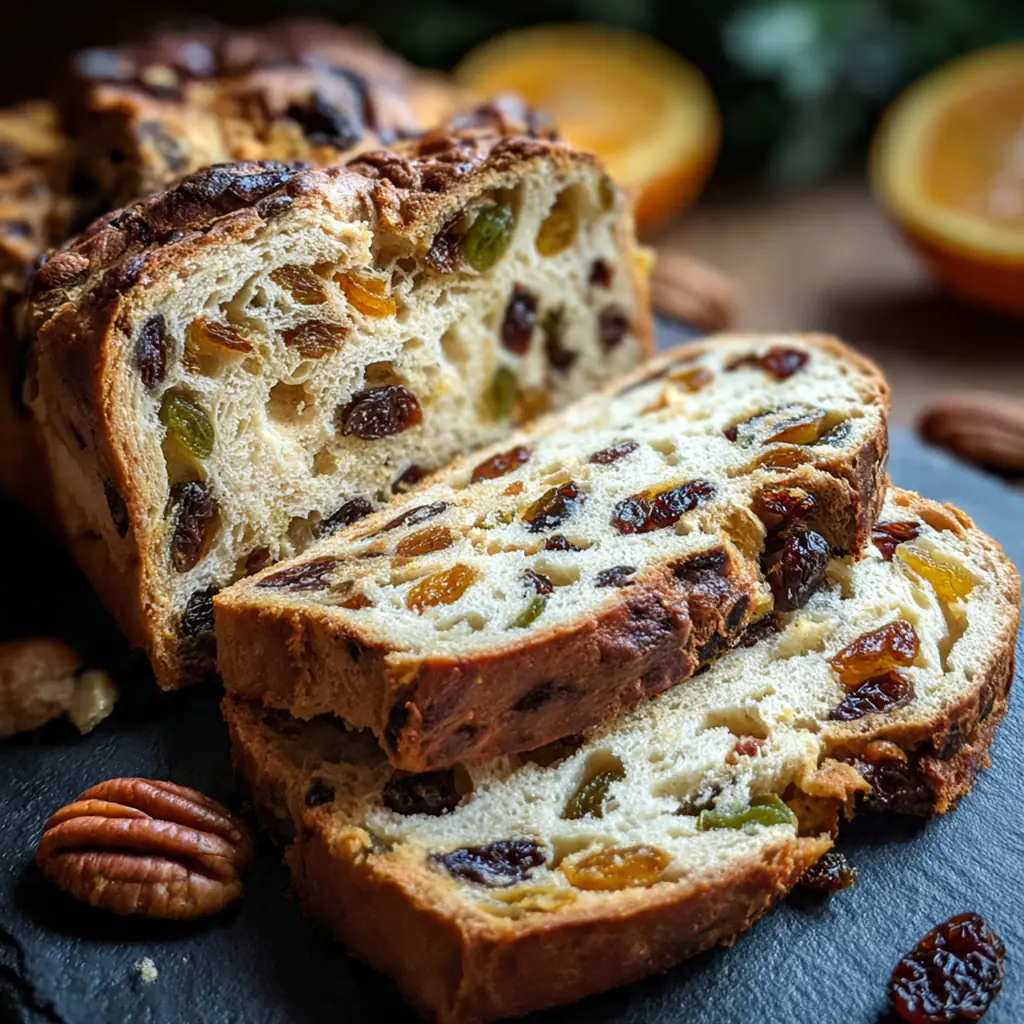
You Must Know
- Use day-old bread for the best texture—fresh bread can become too soggy
- Toast the bread until just golden to help it hold up during baking
- Let the capirotada cool for at least 10 minutes before slicing to allow layers to set
- If piloncillo is unavailable, substitute with dark brown sugar and molasses
Storage Tips
Store leftover capirotada in an airtight container in the refrigerator for up to 3 days. Reheat it in the oven at 300°F for 10-15 minutes to crisp up the top, or use the microwave for a quicker option—just cover with a damp paper towel to keep it moist. I find it tastes even better the next day as the flavors have more time to meld. If you need to make it ahead, assemble it the night before, cover, and refrigerate, then bake it fresh in the morning.
Ingredient Substitutions
If you can’t find piloncillo, use 1 cup dark brown sugar mixed with 1/4 cup molasses for a similar deep sweetness. For a gluten-free version, swap the French bread for your favorite gluten-free bread—toast it well to prevent sogginess. Dairy-free? Substitute the butter with coconut oil or a neutral plant-based oil, and use a dairy-free cheese alternative or omit the cheese entirely, though it will change the traditional flavor. In a pinch, walnuts can stand in for pecans, and dried cranberries work instead of raisins for a tart twist.
Serving Suggestions
Serve your capirotada warm with a scoop of vanilla ice cream or a dollop of whipped cream for an extra indulgent treat. It pairs beautifully with a cup of café de olla—the spiced coffee complements the syrup perfectly—or Mexican hot chocolate for a cozy dessert experience. For a festive brunch, slice it into squares and serve alongside fresh fruit like sliced oranges or berries. I love it as a sweet ending to a family meal, but it’s also substantial enough to enjoy as a breakfast pastry the next day.
Cultural Context
Capirotada is a traditional Mexican bread pudding often served during Lent, with roots that blend indigenous and Spanish influences. Historically, it was a way to use up stale bread and symbolize the Passion of Christ, with ingredients like raisins representing the nails of the cross. Today, it’s a beloved dessert for Semana Santa (Holy Week) and other celebrations, with each family having their own variation—some add peanuts, others use different cheeses. My version with raisins and pecans comes from my abuela’s recipe, passed down through generations. It’s more than just a dessert; it’s a connection to heritage and a reminder of shared meals that bring everyone together.
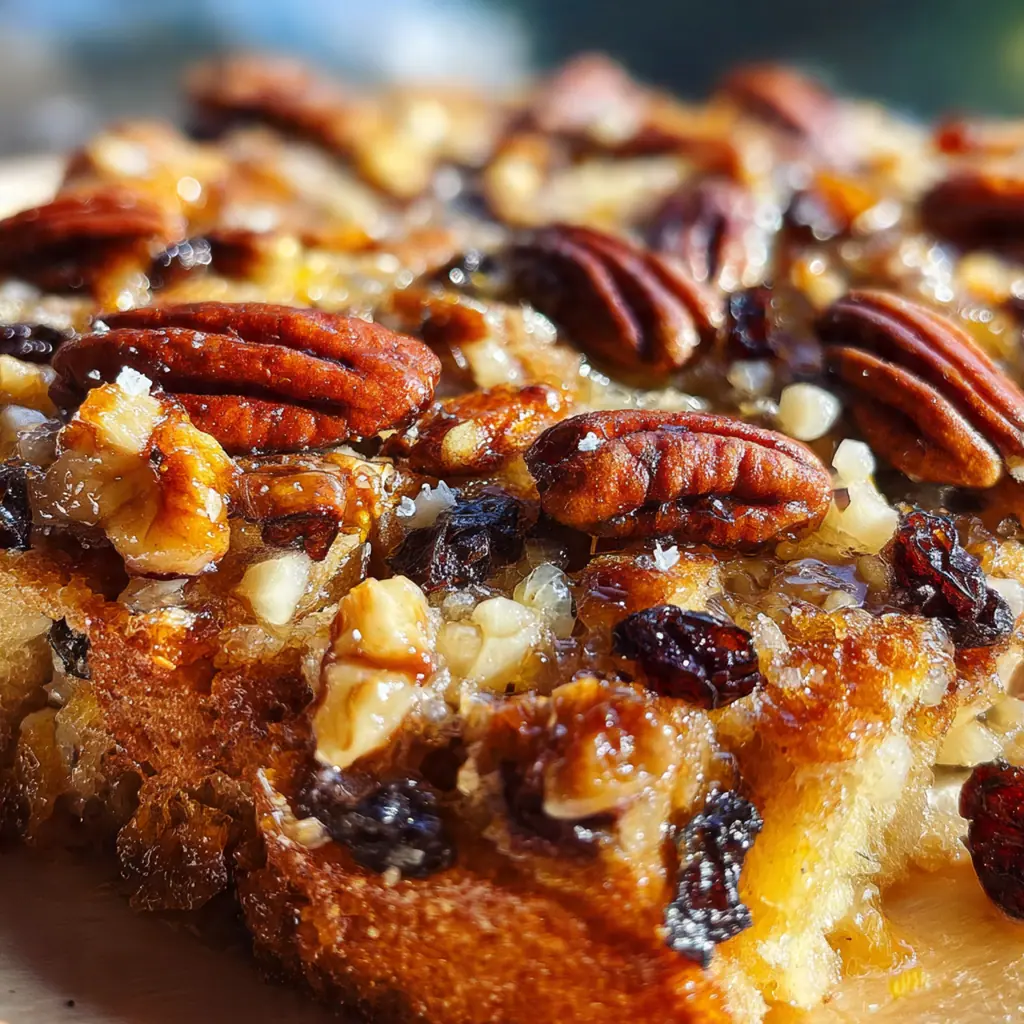
Pro Tips
- Use day-old bread for the best texture—fresh bread can become too soggy
- Toast the bread until just golden to help it hold up during baking
- Let it cool for 10 minutes before slicing so the layers set perfectly
- For a richer custard, use half milk and half cream
Frequently Asked Questions
Day-old French bread or bolillos are ideal for Capirotada Raisins Pecans Bread because they’re sturdy enough to absorb the flavorful syrup without turning to mush. Stale bread creates the perfect texture that holds the layers together beautifully.
Yes, you can assemble Capirotada Raisins Pecans Bread a few hours before baking. In fact, letting it sit allows the bread to fully soak up the spiced syrup, resulting in a richer, more cohesive dessert. It also reheats wonderfully.
If you can’t find piloncillo, use an equal amount of dark brown sugar combined with a tablespoon of molasses to replicate its deep, caramel-like flavor in your Capirotada Raisins Pecans Bread.
The Capirotada Raisins Pecans Bread is done when the top is golden brown, the custard is set, and the edges are bubbly. A knife inserted near the center should come out mostly clean, indicating the egg mixture has cooked through.
This rich dessert is wonderful on its own, but a scoop of vanilla ice cream or a dollop of whipped cream makes a delightful contrast. For a traditional experience, serve it warm with a cup of café de olla or Mexican hot chocolate.