


This sweet and tangy meatloaf sauce recipe is the secret to a glossy, caramelized crust that transforms your dinner. It’s an American comfort food classic for good reason. You just need a few pantry staples and fifteen minutes to create a sticky, savory glaze with a perfect balance of flavors. Once you try this homemade version, you’ll never go back to plain meatloaf or a store-bought sauce again.
Why You'll Love This Recipe
- It whips up in just 15 minutes with ingredients you probably have right now
- The sweet and tangy balance makes even simple meatloaf taste restaurant-worthy
- You can tweak the sweetness or tang to match your family’s taste perfectly
- It bakes into a beautiful glaze that holds its shape and doesn’t run off
- I make a double batch every time because we use it on everything
Ingredients You’ll Need
- Ketchup: This forms the rich tomato base for your sauce, providing sweetness and body. Opt for a high-quality brand you enjoy on its own for the best flavor foundation.
- Light brown sugar: It adds a deep molasses sweetness and helps create that beautiful caramelized texture. The soft, packed sugar dissolves smoothly into the warm sauce.
- Apple cider vinegar: This brings the essential bright tang that cuts through the richness and balances the sweetness. Don’t skip it, as it makes the flavor pop.
- Worcestershire sauce: It introduces a complex savory umami depth with subtle spice notes. Check the label for gluten if you need a gluten-free version.
- Dijon mustard: This isn’t just for tang; it also acts as an emulsifier to help blend the sauce smoothly and adds a nice sharp note.
- Garlic powder: It provides convenient, mellow garlic flavor that integrates perfectly without any risk of burning in the simmering sauce.
- Onion powder: Like its garlic counterpart, it offers a sweet, rounded onion flavor that builds the savory backbone of the glaze.
- Salt: A little bit enhances all the other flavors and prevents the sauce from tasting one-dimensionally sweet.
- Black pepper: Freshly ground adds a warm, aromatic kick that complements the smoked paprika beautifully.
- Smoked paprika: This is the secret ingredient that gives a whisper of smokiness and depth, mimicking that slow-cooked flavor.
How to Make It
Combine Your Base Ingredients:
Grab a medium saucepan and add the ketchup, brown sugar, apple cider vinegar, Worcestershire sauce, and Dijon mustard. Whisk everything together right in the cold pan until the brown sugar dissolves completely and the mixture looks smooth and uniform.
Add Your Dry Spices:
Sprinkle in the garlic powder, onion powder, salt, black pepper, and smoked paprika directly over your wet mixture. Whisk again thoroughly to ensure all the spices are evenly distributed throughout the sauce with no dry pockets.
Heat to a Simmer:
Place the saucepan over medium heat on your stovetop. Let it come to a gentle simmer, stirring occasionally with your whisk. This initial heating helps meld the flavors together.
Cook and Thicken:
Once you see light bubbles, reduce the heat to low. Let the sauce cook for 5 to 7 minutes, stirring frequently to prevent any sticking on the bottom. You’ll notice it thicken slightly and become beautifully glossy.
Cool and Adjust:
Remove the pan from the heat and let the sauce cool for a few minutes. It will continue to thicken as it cools. This is your chance to taste and adjust; add a pinch more sugar for sweetness or a dash of vinegar for extra tang.
Use or Store:
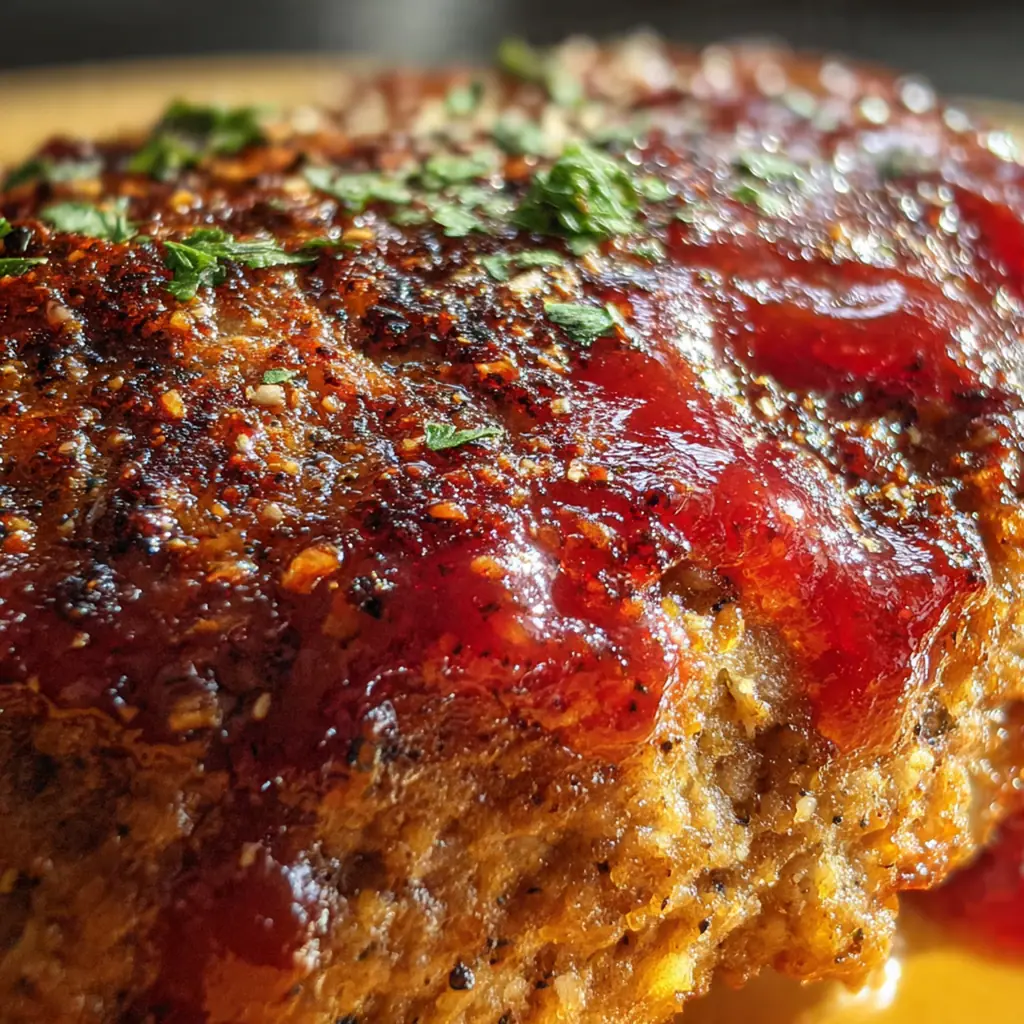
Your meatloaf sauce recipe is ready to use immediately. Brush it generously over your meatloaf during the last 15 minutes of baking. Alternatively, let it cool completely and store it for future meals.
You Must Know
- The sauce thickens more as it cools, so don’t over-reduce it
- Brush it on your meatloaf only in the last 15 minutes to avoid burning
- It doubles perfectly as a dipping sauce for so many things
- A good ketchup really is the best starting point
- I always make extra and never regret it
Storage Tips
Let the sauce cool completely to room temperature after cooking, then transfer it to an airtight container or jar. It will keep perfectly in your refrigerator for up to one full week. When you’re ready to use it again, you can reheat it gently in a saucepan over low heat, stirring occasionally, or give it a quick zap in the microwave. If it seems a bit too thick after chilling, just stir in a teaspoon of water or vinegar to loosen it back up to your desired brushing consistency.
Ingredient Substitutions
If you’re out of apple cider vinegar, white vinegar or even red wine vinegar will work in the same amount for the needed acidity. For a gluten-free version of this meatloaf sauce recipe, simply use a certified gluten-free Worcestershire sauce, as traditional versions often contain malt vinegar derived from barley. You can swap the Dijon for a good yellow mustard in a pinch, though the flavor will be a bit sharper and less complex. Don’t have smoked paprika? Sweet paprika will still provide color and flavor, though you’ll miss that subtle smoky whisper.
Serving Suggestions
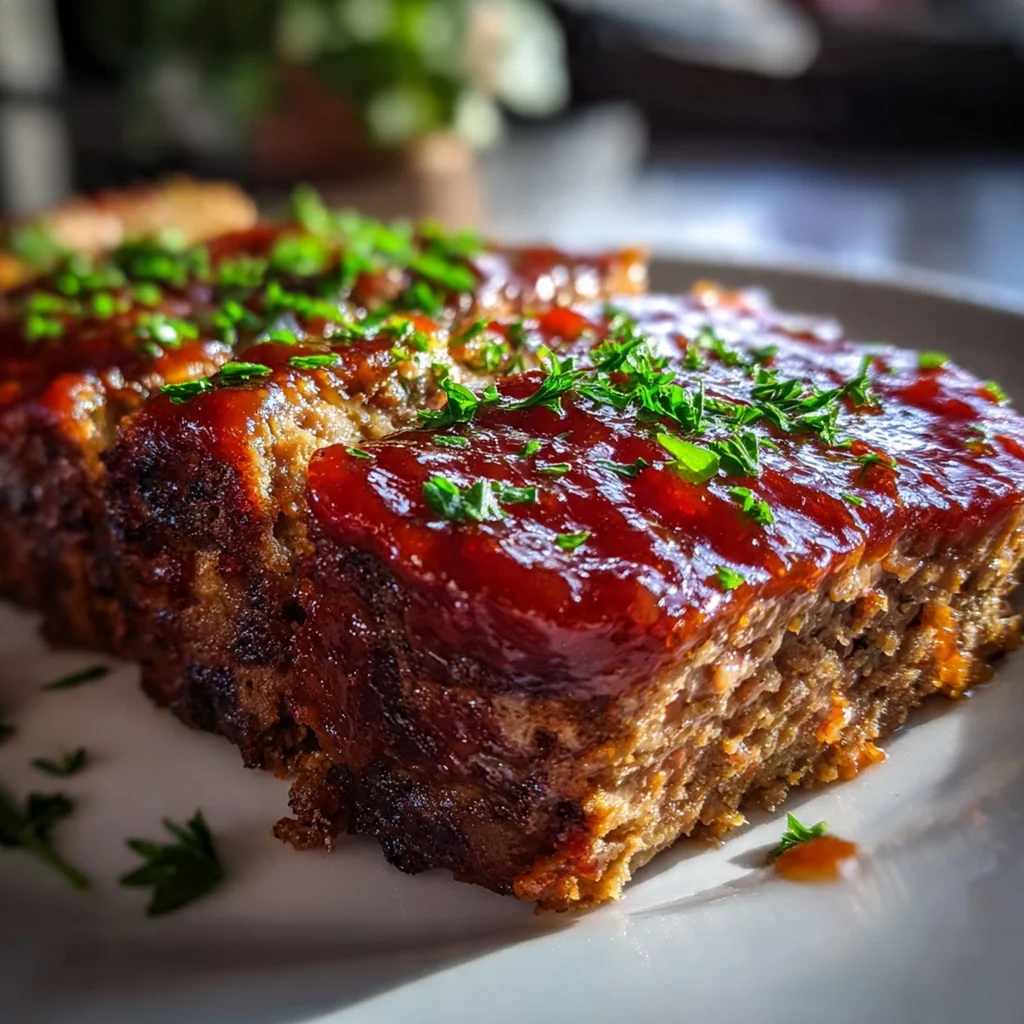
Of course, you’ll brush this liberally over your meatloaf during the last part of baking, but don’t stop there. Serve extra warmed sauce on the side for dipping each savory bite. It’s also fantastic as a glaze for baked chicken thighs or meatballs, or as a dipping sauce for crispy french fries, roasted sweet potato wedges, or even crispy baked tofu. Pair your glazed masterpiece with classic sides like buttery mashed potatoes, steamed green beans with almonds, or a simple, crisp garden salad to round out the perfect comfort food plate.
Cultural Context
Meatloaf itself is a cornerstone of American home cooking, with roots in European meat mixtures but truly coming into its own as a Depression-era staple that stretched expensive ground meat. The concept of a glazed topping, however, really took hold in the mid-20th century as bottled ketchup and pantry staples became ubiquitous. This particular sweet and tangy meatloaf sauce recipe embodies that post-war American kitchen ethos—transforming humble, affordable ingredients into something special with just a bit of culinary know-how. It’s a formula built on balance, designed to add moisture, flavor, and visual appeal to a family favorite.
Pro Tips
- For an ultra-smooth texture, use an immersion blender on the finished sauce
- Let it cool slightly before brushing to prevent it from sliding off
- Doubling the batch is a genius move for meal prep
- Quality ketchup is the foundation, so use your favorite brand
- I always taste and adjust the tang at the end, every time
Frequently Asked Questions
You can easily substitute the apple cider vinegar with an equal amount of white vinegar or red wine vinegar. The goal is the tangy acidity to balance the sweetness. For a slightly different flavor, a teaspoon of lemon juice also works in a pinch.
Absolutely! This sauce stores beautifully. Let it cool completely after simmering, then store it in an airtight container in the refrigerator for up to one week. Just give it a quick stir before brushing it onto your meatloaf.
If you’re out of Worcestershire sauce, you can use soy sauce or tamari for a similar savory, umami depth. For a gluten-free option, coconut aminos are a great substitute. Start with a teaspoon and adjust to taste.
The sauce is ready after simmering for 5-10 minutes. It will thicken slightly, become glossy, and the flavors will meld together. It should coat the back of a spoon nicely and have a rich, deep red color.
This classic American meatloaf glaze pairs perfectly with creamy mashed potatoes, roasted green beans, or buttered corn. For a full comfort food meal, add a side of soft dinner rolls to soak up any extra sauce.