

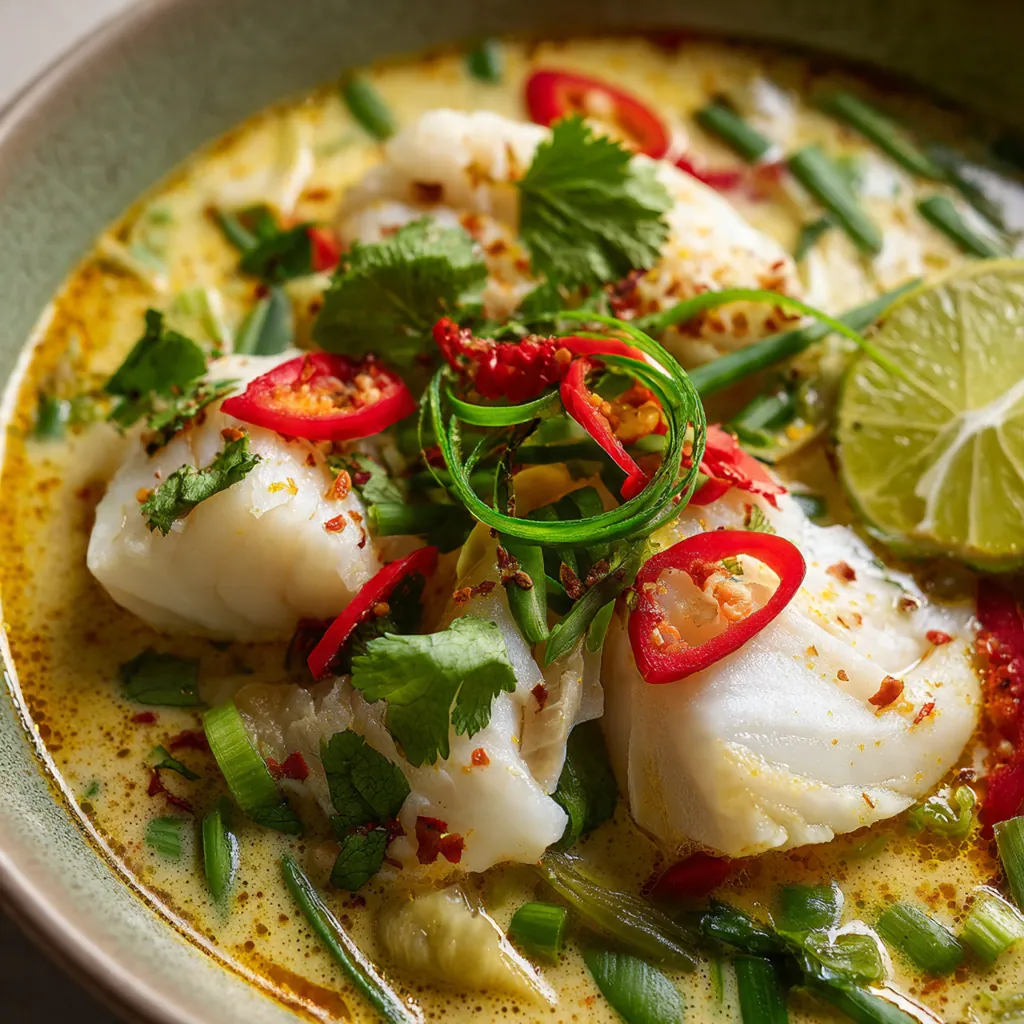
Coconut Lime Fish Soup is my favorite way to bring the vibrant tastes of Southeast Asia right into my kitchen without needing hours of simmering. This creamy, aromatic broth combines the richness of coconut milk with the bright zest of fresh lime and the distinct perfume of lemongrass. Tender white fish cooks gently, staying moist and flaky while soaking up all those incredible flavors. It’s a beautiful balance of comfort and exotic spice that feels restaurant-quality but comes together in under an hour.
Why You'll Love This Recipe
- Coconut milk creates a broth that feels luxurious but surprisingly light
- Fresh lime cuts through the richness with a bright, tangy punch
- Ginger and lemongrass do all the heavy lifting for complex aromatics
- It’s a 30-minute meal that tastes like you slaved over it all day
- I make this when I need something impressive with minimal effort
Ingredients You’ll Need
- Firm white fish fillets: Choose thick, flaky cuts like cod, halibut, or snapper for the best texture. Fresh fillets should smell like the ocean, not fishy.
- Vegetable oil: A neutral oil with a high smoke point is perfect for sautéing your aromatics without overpowering the delicate flavors.
- Large onion: Provides a sweet, savory base for the soup. Yellow onions are ideal for their balance of sweetness and sharpness.
- Garlic: Fresh cloves are essential here. They add a pungent depth that forms the foundation of the soup’s flavor profile.
- Fresh ginger: The spicy, warm kick of grated ginger brightens everything up. Always use fresh root rather than powder for the best punch.
- Lemongrass: This is the secret to that authentic Southeast Asian aroma. The bottom stalks hold the most flavor, so bruising them releases everything.
- Red Thai chilies: Use these for authentic heat. You can adjust the amount based on your spice tolerance or leave them out entirely for a mild version.
- Full-fat coconut milk: Don’t use light versions here. The full-fat can gives the soup its signature creamy texture and richness.
- Fish stock: This amplifies the seafood flavor. If you don’t have it, a good vegetable broth works perfectly as a base.
- Fish sauce: It sounds potent, but it adds a savory, umami depth that ties all the sweet and acidic notes together. It’s a non-negotiable for flavor.
- Fresh lime juice: The acidity brightens the entire bowl. Squeeze it fresh; bottled juice lacks that vibrant zing that makes this soup special.
- Granulated sugar: Just a touch helps balance the lime’s acidity and the savory depth of the fish sauce, creating a harmonious flavor.
- White pepper: It adds a subtle, earthy heat that blends seamlessly into the broth without the black specks of dark pepper.
- Baby bok choy: These tender greens wilt quickly and add a fresh, slightly bitter contrast to the creamy soup. Separate the leaves for even cooking.
- Cilantro leaves: The fresh, herbaceous finish is essential for that burst of Southeast Asian flavor right before serving.
- Green onions: Thinly sliced, they add a fresh, crunchy garnish that looks as good as it tastes. I always add a generous handful on top.
- Red bell pepper: An optional addition that brings sweet crunch and vibrant color, making the bowl look even more inviting.
- Bean sprouts: For an extra fresh, crunchy texture that contrasts beautifully with the soft fish and tender greens. Add them raw just before serving.
How to Make It
Sauté Aromatics To Build Flavor:
Start by heating the vegetable oil in a large Dutch oven over medium heat. Add the diced onion and cook, stirring occasionally, for about 4-5 minutes until it turns soft and translucent. This simple step creates a sweet, savory foundation for your soup.
Bloom Spices And Herbs:
Add the minced garlic, grated ginger, and sliced Thai chilies to the pot. Stir constantly for just one minute until the kitchen smells incredibly fragrant. Be careful not to burn the garlic, as it will turn bitter and overpower the delicate fish.
Infuse With Lemongrass:
Toss in the bruised lemongrass stalks and cook for another two minutes, stirring occasionally. This allows the woody stalks to toast slightly and release their citrusy, floral oils into the oil. I always bruise mine with the back of my knife to get the most flavor out.
Simmer The Broth Base:
Pour in the fish stock and bring the liquid to a gentle simmer. Once it’s bubbling lightly, reduce the heat to low, cover the pot, and let it all infuse for 10 minutes. This step is crucial for extracting all that wonderful flavor from the aromatics.
Strain And Season The Soup:
Remove and discard the lemongrass pieces, as they are tough to eat. Stir in the creamy coconut milk, fish sauce, sugar, salt, and white pepper. Bring the mixture back to a gentle simmer—never a hard boil—to keep the coconut milk smooth and cohesive.
Cook The Fish Gently:
Gently add the chunks of white fish to the simmering broth. Cook for 5-7 minutes until the fish is opaque and flakes easily with a fork. Avoid vigorous stirring to keep the delicate fish pieces intact. You want them to float beautifully in the creamy broth.
Wilt The Greens:
Add the baby bok choy to the pot and cook for just 2 minutes until the leaves are wilted but still maintain a bright, vibrant green color. Overcooking the bok choy makes it mushy, so keep an eye on the clock here.
Finish With Freshness:
Turn off the heat completely. Stir in the fresh lime juice and chopped cilantro. Taste the broth now and adjust the seasoning if you think it needs a little more salt, sugar, or lime. The acid should pop, but not overpower.
Ladle And Garnish:
Divide the hot soup into warm bowls, ensuring every serving gets plenty of fish, vegetables, and that delicious broth. Top with sliced green onions and an extra sprinkle of cilantro. I like to serve it immediately with a side of steamed jasmine rice to soak up every drop.
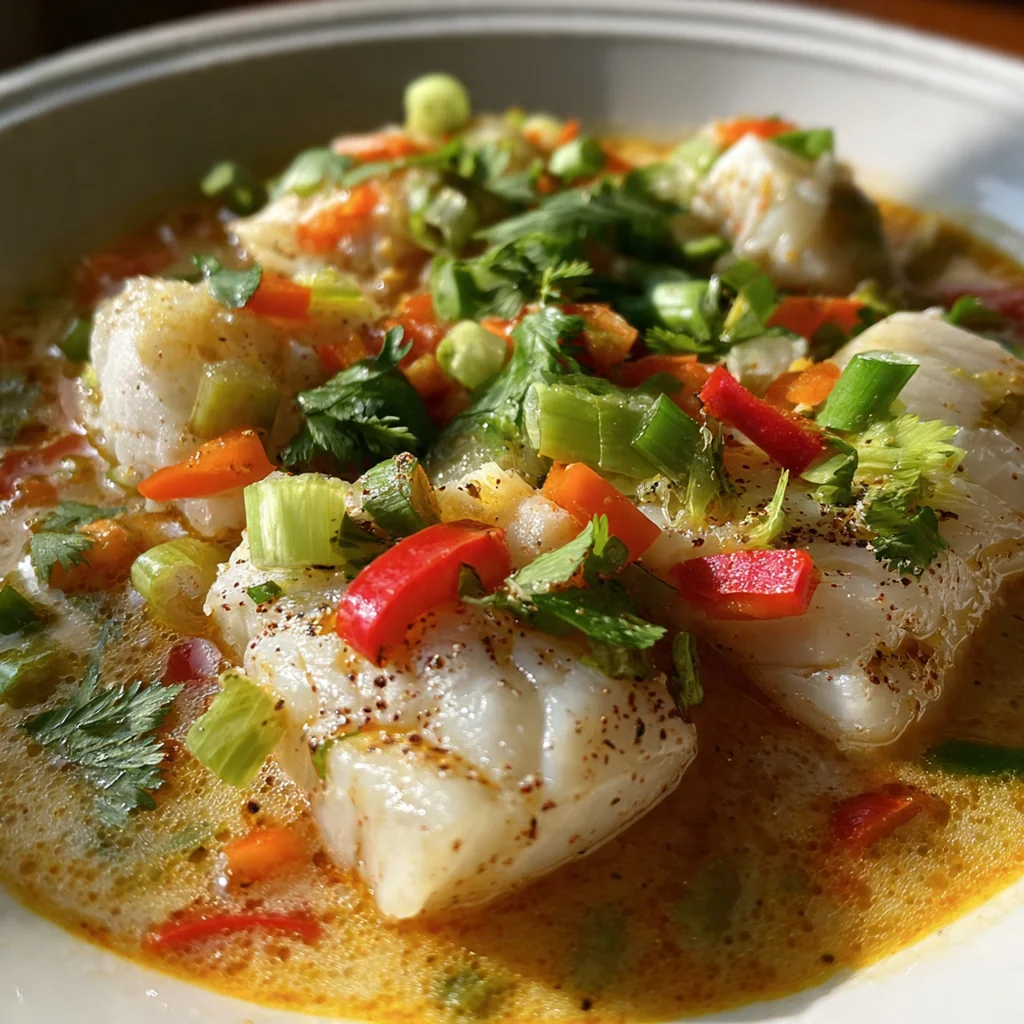
You Must Know
- Use full-fat coconut milk for a creamy, non-watery soup
- Always add lime juice at the very end to keep its flavor bright
- Never let the soup boil hard after adding the coconut milk
- Lemongrass must be bruised to release its full aromatic potential
- Serve immediately for the best texture in the fish and vegetables
Storage Tips
Storing leftover Coconut Lime Fish Soup is easy, but there are a few things to keep in mind to maintain its quality. Place any extra soup in an airtight container and refrigerate it for up to two days. The broth will thicken and solidify a bit when chilled due to the coconut milk fat, which is completely normal. When you’re ready to reheat, do it gently on the stove over low heat, stirring occasionally and adding a splash of fish stock or water if the soup seems too thick. I would advise against freezing this soup, as the coconut milk can separate and become grainy when thawed, ruining that luxurious, creamy texture.
Ingredient Substitutions
If you can’t find white fish fillets, firm tofu or even large shrimp can be a great protein swap, though cooking times will vary. For a shellfish allergy, you can absolutely use vegetable broth instead of fish stock and substitute soy sauce or tamari for the fish sauce to keep that savory umami flavor. If you can’t find fresh lemongrass, a tablespoon of lemongrass paste is a decent shortcut, or you can simply add a strip of lemon zest to the broth for a similar citrusy note. For the spice lovers, feel free to leave the Thai chilies in for the whole simmer to infuse more heat, or add a few more sliced rings on top when serving.
Serving Suggestions
The best way to enjoy this soup is ladled generously over a bed of steamed jasmine rice, which soaks up the fragrant coconut broth beautifully. You could also serve it with rice noodles for a more substantial meal. For a fresh contrast, pair it with a simple cucumber salad dressed with a bit of rice vinegar and sugar. I find that a crisp, dry white wine like a Sauvignon Blanc or a slightly sweet Riesling cuts through the richness of the coconut milk and complements the lime perfectly. Fresh spring rolls are another fantastic side that keeps the whole meal light and vibrant.
Cultural Context
This Coconut Lime Fish Soup draws heavy inspiration from traditional Thai Tom Kha, though it’s a simplified, accessible version for home cooks everywhere. Tom Kha is a cornerstone of Thai cuisine, known for its aromatic broth made from galangal, lemongrass, and kaffir lime leaves, all simmered in rich coconut milk. The version you’re making here captures that essential spirit by using ginger as a stand-in for galangal and focusing on that core trio of creamy, sour, and savory flavors. It’s a testament to how Southeast Asian cooking masterfully balances distinct flavor profiles to create dishes that are deeply comforting yet incredibly complex. Enjoying this soup is like taking a mini-vacation to a bustling Bangkok street market, one spoonful at a time.
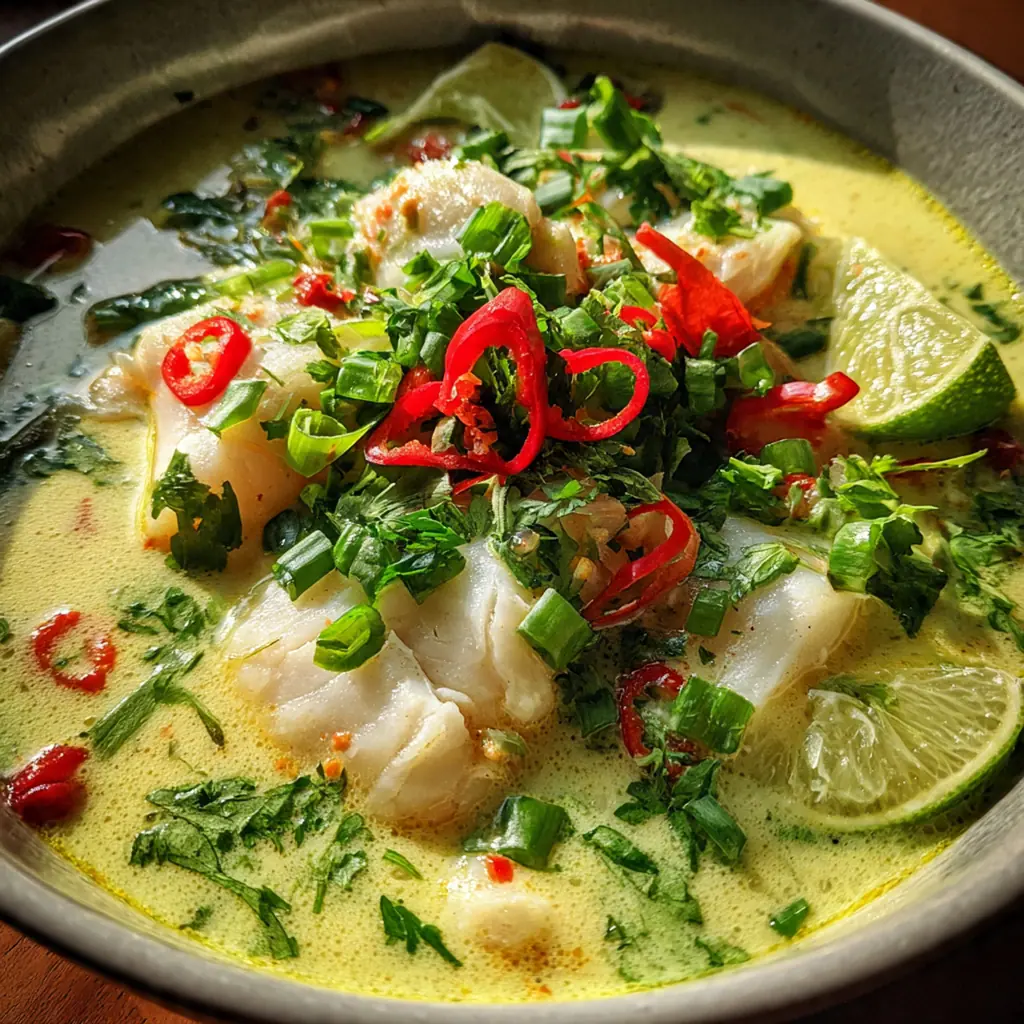
Pro Tips
- Toast your ginger and garlic in the oil for 30 seconds before adding liquid for deeper flavor
- Squeeze your lime juice right before serving to keep its aroma bright and fresh
- A splash of fish stock at the end thins the soup if it’s been sitting and thickened
- For a pretty presentation, save a few fresh cilantro leaves and green onion slices for the v…
- Always taste and adjust the seasoning right before you ladle the soup into bowls
Frequently Asked Questions
For this Coconut Lime Fish Soup, firm white fish fillets like cod, halibut, or snapper are ideal. They hold their shape well during simmering without falling apart. Avoid delicate fish that might disintegrate in the hot broth.
Yes, you can make this soup ahead, but it’s best enjoyed fresh. The fish tends to soften upon reheating. If you must store it, keep it refrigerated in an airtight container for up to 2 days and reheat gently on the stovetop over low heat.
If you can’t find fresh lemongrass, you can substitute it with 1 tablespoon of lemongrass paste or 2 tablespoons of fresh lemon zest combined with a tablespoon of fresh lime juice. The flavor profile will be slightly different but still delicious.
The fish is ready when it turns opaque and flakes easily with a fork, usually taking about 3-5 minutes of simmering after being added to the broth. Be careful not to overcook it, as the fish will continue to cook slightly after the heat is turned off.
This soup is hearty enough on its own but pairs wonderfully with steamed jasmine rice or rice noodles to soak up the flavorful broth. For a complete Southeast Asian meal, serve it alongside a fresh cucumber salad or spring rolls.