

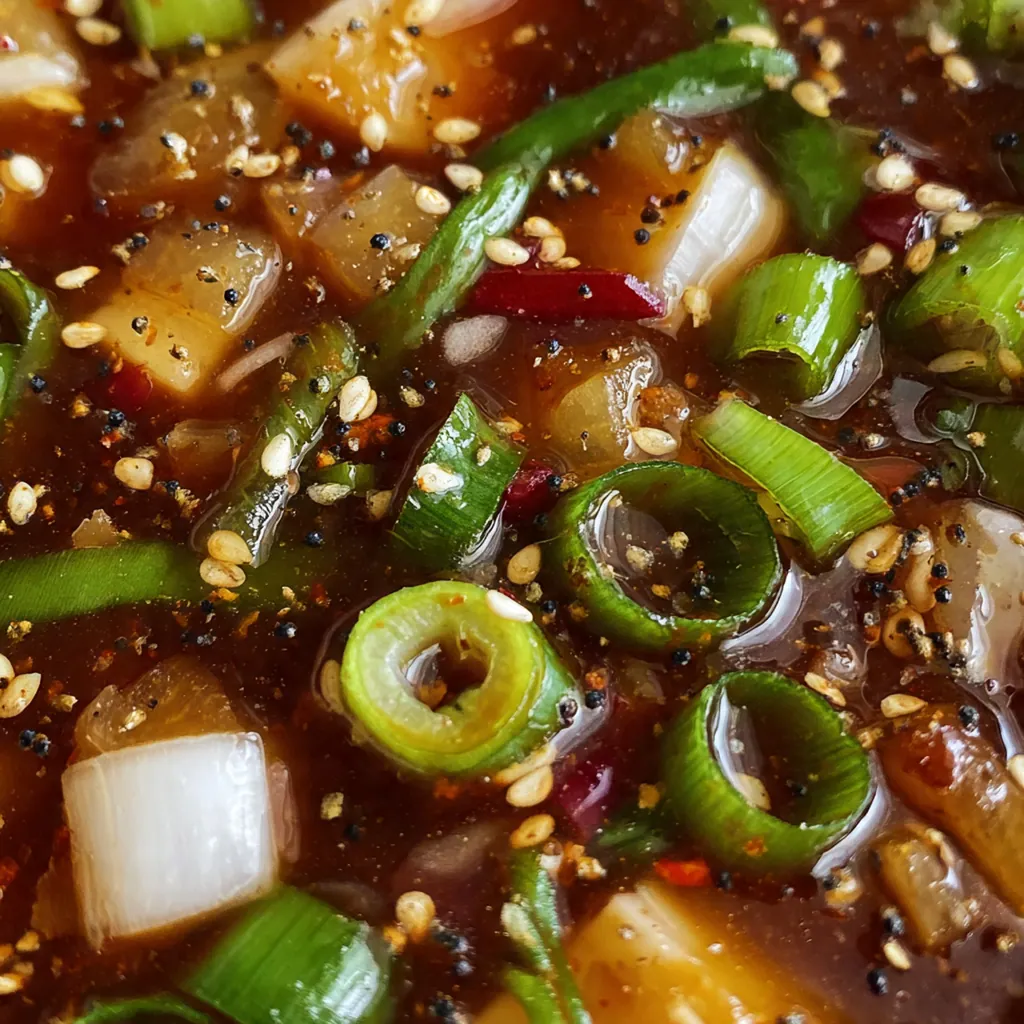
Recreating that iconic Sweet Onion Sauce Subway at home is easier than you think and tastes just like the original. This copycat condiment brings the sweet, tangy, and savory flavors of your favorite sub shop right to your kitchen. As someone who’s obsessed with that signature sauce, I’ve perfected this recipe to capture its essence using simple ingredients. It’s an American-style sauce that’s incredibly versatile, and making it fresh means you control the quality and adjust it to your taste. You’ll love how it elevates everything from sandwiches to salads in under 30 minutes.
Why You'll Love This Recipe
- It tastes exactly like the Subway sweet onion sauce you crave
- Uses common pantry staples you probably already have
- Ready in just 30 minutes from start to finish
- Way fresher and healthier than anything you can buy
- I make a batch every week for meal prep
Ingredients You’ll Need
- Olive oil: Use a good quality extra virgin olive oil for its fruity notes that build the sauce’s base flavor without overpowering it.
- Sweet onions: Vidalia or other sweet varieties are key for their natural sugar content and mild flavor that caramelizes gently without bitterness.
- Garlic: Freshly minced garlic adds a pungent depth that balances the sweetness; avoid jarred minced garlic for the best aroma.
- Ginger: Freshly grated ginger brings a warm, zesty kick that cuts through the richness and adds complexity to the sauce.
- Water: Plain water helps to simmer the onions and create the base liquid for the sauce to thicken properly.
- Granulated sugar: This is what gives the sauce its signature sweet glaze; you can adjust the amount to your preference.
- White vinegar: Provides the necessary tangy acidity to balance the sweetness and preserve the bright flavor of the onions.
- Soy sauce: Adds umami and saltiness; use tamari for a gluten-free version that doesn’t compromise on depth.
- Cornstarch: The thickening agent that creates the glossy, clingy texture perfect for coating sandwiches and dips.
- Salt: Enhances all the other flavors and brings out the natural sweetness of the onions.
- Black pepper: A hint of spice that adds a subtle background warmth to the overall profile.
- Toasted sesame seeds: An optional garnish that adds a nutty crunch and visual appeal to your finished sauce.
- Chopped green onions: Another optional topping for fresh, sharp color and a burst of oniony flavor right before serving.
How to Make It
Heat the Oil:
Grab your medium saucepan and warm the olive oil over medium heat. You want it just hot enough to sizzle the onions gently, not smoke, which can burn the oil and ruin the delicate flavor.
Cook the Onions:
Add all those thinly sliced sweet onions to the pan and stir them occasionally. Let them soften and turn translucent for about 8 to 10 minutes – keep an eye so they don’t brown, as we’re after sweetness, not caramelization here.
Add Garlic and Ginger:
Stir in the minced garlic and grated ginger, letting them cook for just a minute or two until they’re incredibly fragrant. This quick step wakes up their aromas and infuses the oil, building a flavorful foundation.
Simmer the Base:
Pour in the water, sugar, vinegar, soy sauce, salt, and pepper, giving everything a good stir to combine. Bring it to a gentle simmer, then reduce the heat to low and let it bubble away for 10 minutes so the flavors meld beautifully.
Make the Cornstarch Slurry:
In a small bowl, whisk the cornstarch with two tablespoons of cold water until it’s completely smooth with no lumps. This slurry is your thickening magic, so take your time to ensure it’s perfectly blended.
Thicken to Perfection:
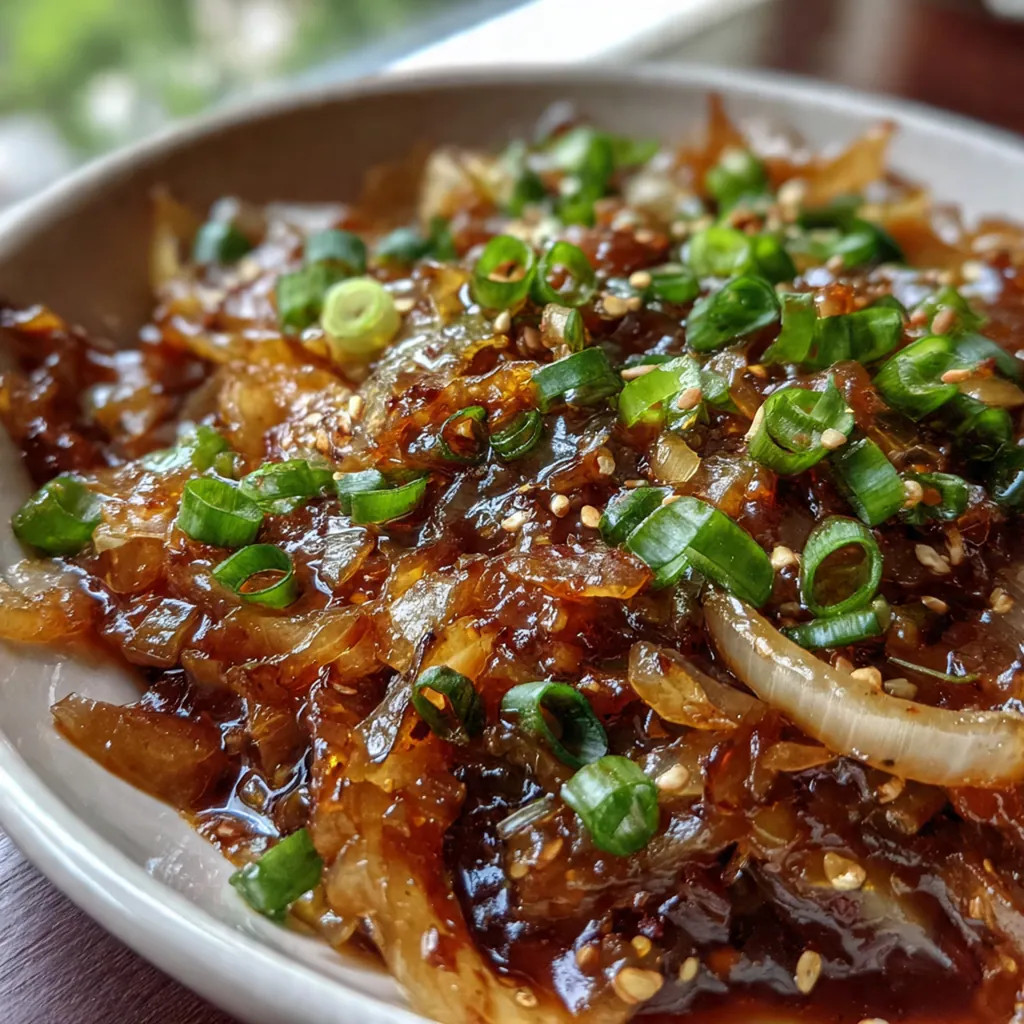
Slowly drizzle the cornstarch slurry into the simmering saucepan while stirring continuously. Keep cooking for another 2 to 3 minutes until the sauce thickens into a glossy glaze that coats the back of your spoon.
Cool and Serve:
Take the pan off the heat and let the sweet onion sauce cool slightly – it’ll thicken more as it sits. Use it warm right away or transfer it to a jar for storage; either way, you’re in for a treat.
You Must Know
- Thinly sliced onions cook evenly and become perfectly soft
- Don’t let the onions brown for that authentic sweet flavor
- The sauce thickens significantly as it cools down
- Adjust sugar and vinegar to match your taste preference
- I always double the batch because it disappears fast
Storage Tips
Once your sweet onion sauce has cooled to room temperature, transfer it to an airtight jar or container and pop it in the fridge where it’ll keep beautifully for up to a week. You’ll notice it thickens up when cold, but that’s easily fixed by stirring in a teaspoon of water at a time until it’s back to your perfect drizzling consistency. I often make a big batch on Sunday to use throughout the week on sandwiches, bowls, and even as a quick marinade for chicken. Always use a clean spoon to scoop it out to prevent contamination and extend its freshness.
Ingredient Substitutions
If you can’t find Vidalia onions, any sweet onion like Walla Walla or Maui will work, or use yellow onions for a slightly sharper taste. For a gluten-free version, tamari is a perfect swap for soy sauce, and if you’re out of white vinegar, apple cider vinegar adds a nice fruity twist. No fresh ginger? A quarter teaspoon of ground ginger can stand in, though the fresh zing is worth it. And if you prefer a different sweetener, honey or maple syrup can replace the granulated sugar, but start with less as they’re sweeter and may alter the consistency slightly.
Serving Suggestions
This sweet onion sauce is your secret weapon for upgrading so many meals. I love it drizzled over a classic Italian sub or a grilled chicken wrap for that authentic Subway feel. It’s fantastic as a dip for crispy spring rolls, chicken tenders, or even sweet potato fries. Don’t stop there – try it swirled into grain bowls with quinoa and roasted veggies, as a glaze for meatballs, or even as a tangy spread on burger buns. My family uses it on everything from salads to grilled fish, and it never fails to impress.
Cultural Context
Sweet onion sauce is a hallmark of American fast-food innovation, specifically created for Subway’s sandwich lines to offer a sweet and tangy alternative to mayonnaise or mustard. It reflects the broader American love for customizable condiments that balance sweetness with savory umami, a trend seen in everything from barbecue sauce to ranch dressing. While not rooted in a traditional cuisine, this sauce embodies the modern, global pantry with ingredients like soy sauce and ginger adding an Asian-inspired twist to a typically Western onion relish. Its popularity shows how a simple sauce can become a cultural icon, replicated in home kitchens worldwide, and making it yourself ties into the growing movement for healthier, homemade versions of convenience foods.
Pro Tips
- Slice onions uniformly thin so they soften at the same rate
- Cook onions slowly until translucent but not browned for depth
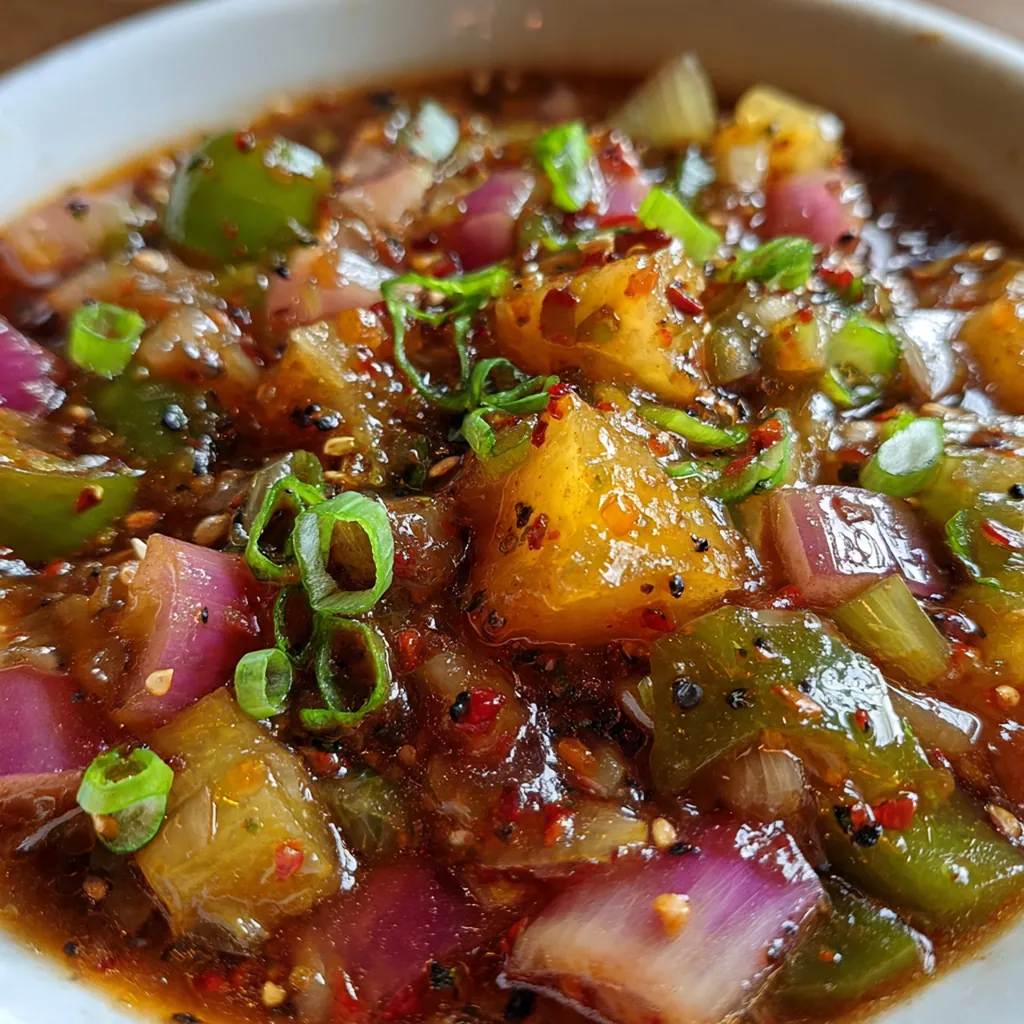
- Taste and adjust sugar or vinegar after it simmers
- Thin out chilled sauce with a bit of water before using
- Low-sodium soy sauce keeps the salt in check
Frequently Asked Questions
Vidalia onions are ideal because of their natural high sugar content and mild flavor, which perfectly replicates the original. Other sweet onion varieties like Walla Walla or Maui will also work well to achieve that signature sweet and mellow taste.
Absolutely! This sauce stores beautifully. Let it cool completely, then transfer it to an airtight container and refrigerate for up to 5 days. The flavors often meld and improve after sitting for a few hours.
For a gluten-free version, use tamari as suggested. Alternatively, you can use coconut aminos for a soy-free option, which will add a similar umami depth with a slightly sweeter note. Just taste and adjust the final seasoning.
The sauce is ready when it has thickened to a syrupy, glaze-like consistency that coats the back of a spoon. This usually happens after about 10 minutes of simmering once the cornstarch slurry is added. It will continue to thicken slightly as it cools.
It’s fantastic as a sandwich spread, drizzled over salads or grilled chicken, or as a dipping sauce for fries, chicken tenders, or spring rolls. It adds a sweet and savory kick to any American-style dish that needs a flavor boost.