

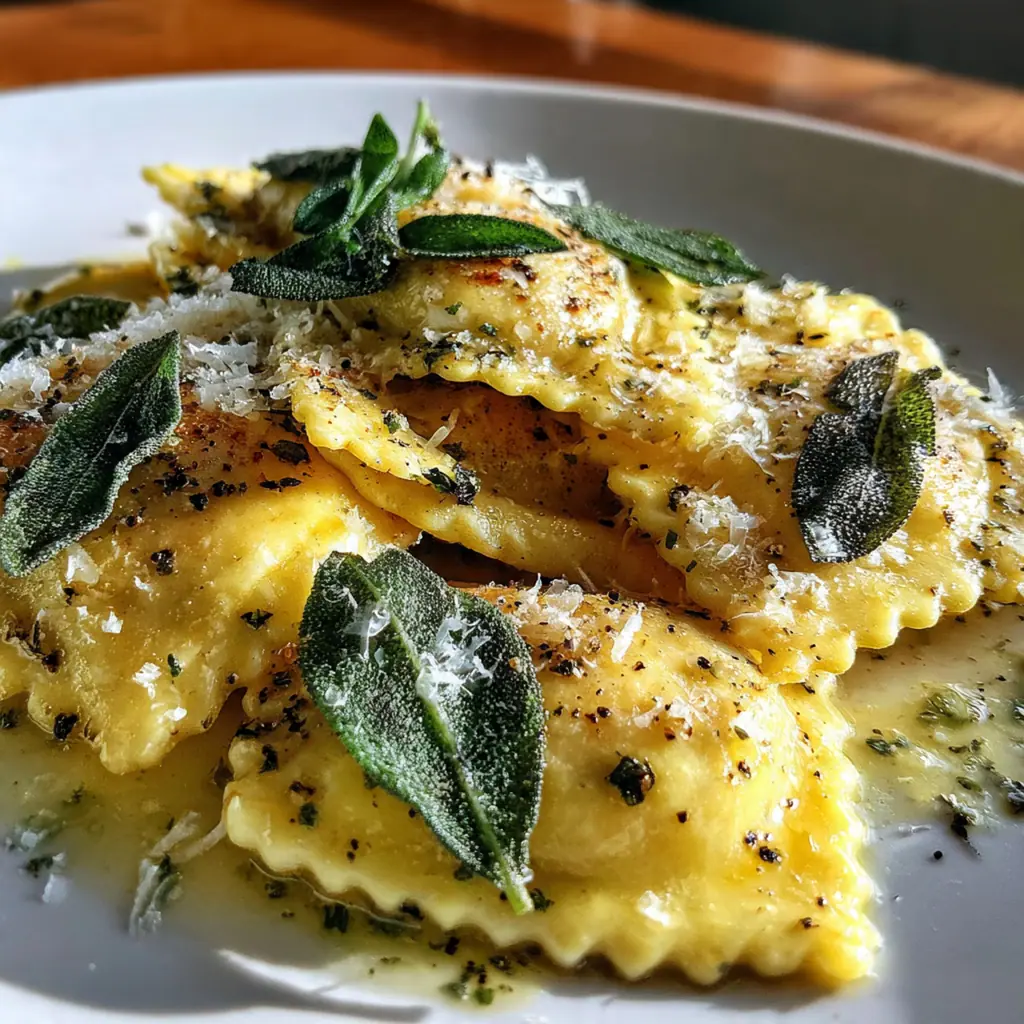
Ravioli Sage Butter Sauce transforms a simple weeknight dinner into something truly special. This classic Italian combination relies on the magic of browning butter until it turns nutty and rich, then layering in crispy sage leaves and garlic for incredible depth. The sauce clings perfectly to tender cheese-filled ravioli, creating a dish that feels both luxurious and comforting. What I love most is how this humble sauce elevates quality store-bought ravioli into a restaurant-worthy meal in under 30 minutes. The bright lemon juice cuts through the richness, while the white wine adds a subtle complexity that makes every bite memorable.
Why You'll Love This Recipe
- The rich, nutty flavor of browned butter makes this sauce incredibly special
- Fresh sage adds a wonderful earthy aroma that pairs perfectly with pasta
- Ready in just 35 minutes – perfect for a weeknight dinner that feels gourmet
- Uses simple ingredients you likely already have in your pantry
- The sauce adapts beautifully to any type of filled pasta or gnocchi
Ingredients You’ll Need
- Fresh cheese ravioli: Look for high-quality refrigerated ravioli rather than dried; the tender texture makes the dish feel special
- Unsalted butter: Essential for browning properly since you control the salt; quality European-style butter has richer flavor
- Fresh sage leaves: Whole leaves crisp up beautifully; choose vibrant green leaves without dark spots for the best aroma
- Garlic cloves: Thinly sliced to infuse the butter without burning; fresh cloves taste sharper and cleaner than pre-minced
- Dry white wine: Pinot Grigio or Sauvignon Blanc add bright acidity; the alcohol cooks off leaving pure flavor behind
- Vegetable or chicken broth: Creates the sauce body; choose low-sodium so you can control the final seasoning perfectly
- Parmesan cheese: Freshly grated melts better and tastes nuttier than pre-shredded; a microplane makes quick work of it
- Kosher salt: Fine crystals distribute evenly; it enhances every other flavor in the pan
- Black pepper: Freshly ground adds a gentle heat that balances the butter’s richness
- Fresh lemon juice: The bright acidity cuts through the richness; always use fresh for the cleanest flavor
- Pine nuts (optional): Toasted until golden for crunch; they add a buttery contrast to the silky sauce
- Parsley (optional): Fresh chopped adds color and a fresh grassy note; Italian flat-leaf has the best texture
- Red pepper flakes (optional): Just a pinch adds gentle heat that wakes up all the other flavors
How to Make It
Boil The Water:
Start by filling a large pot with plenty of water and adding about a tablespoon of salt per gallon. Bring it to a rolling boil over high heat so it’s ready when your sauce is done. Don’t add oil to the water because you want the sauce to cling to the ravioli.
Brown The Butter:
While the water heats, melt the butter in a large skillet over medium heat. Once melted, increase to medium-high and watch carefully as it foams then settles. In about 2-3 minutes, the solids will turn a beautiful nutty brown—this is the flavor goldmine.
Crisp The Aromatics:
Immediately add the whole sage leaves and thinly sliced garlic to the hot butter. Swirl the pan constantly for one minute until the sage turns crispy and the kitchen smells incredible. The garlic should be fragrant but not burned or it’ll turn bitter.
Deglaze With Wine:
Pour in the white wine carefully since it will bubble up and steam. Scrape up any browned bits from the pan bottom—those are pure flavor. Let it bubble for about a minute until the sharp alcohol scent cooks off and mellows.
Build The Sauce:
Add the broth and bring everything to a gentle simmer. Reduce the heat to low and let it cook for 2-3 minutes so the flavors meld together. Season with salt and pepper, tasting as you go since broth adds salt.
Cook The Ravioli:
Drop the fresh ravioli into the boiling water and cook according to package directions, usually 2-3 minutes. They’ll float when ready, just like the pasta-water trick. Reserve half a cup of that starchy water before draining.
Combine Everything:
Use a spider or slotted spoon to transfer the cooked ravioli directly into the skillet. Toss gently to coat each piece in that gorgeous brown butter sauce. If it looks too thick, add reserved pasta water a tablespoon at a time until it’s silky.
Finish And Serve:
Remove the skillet from heat and stir in fresh lemon juice and half the Parmesan. Toss once more to combine everything beautifully. Divide among warm bowls, top with remaining cheese, pine nuts, and parsley if using.
Enjoy Immediately:
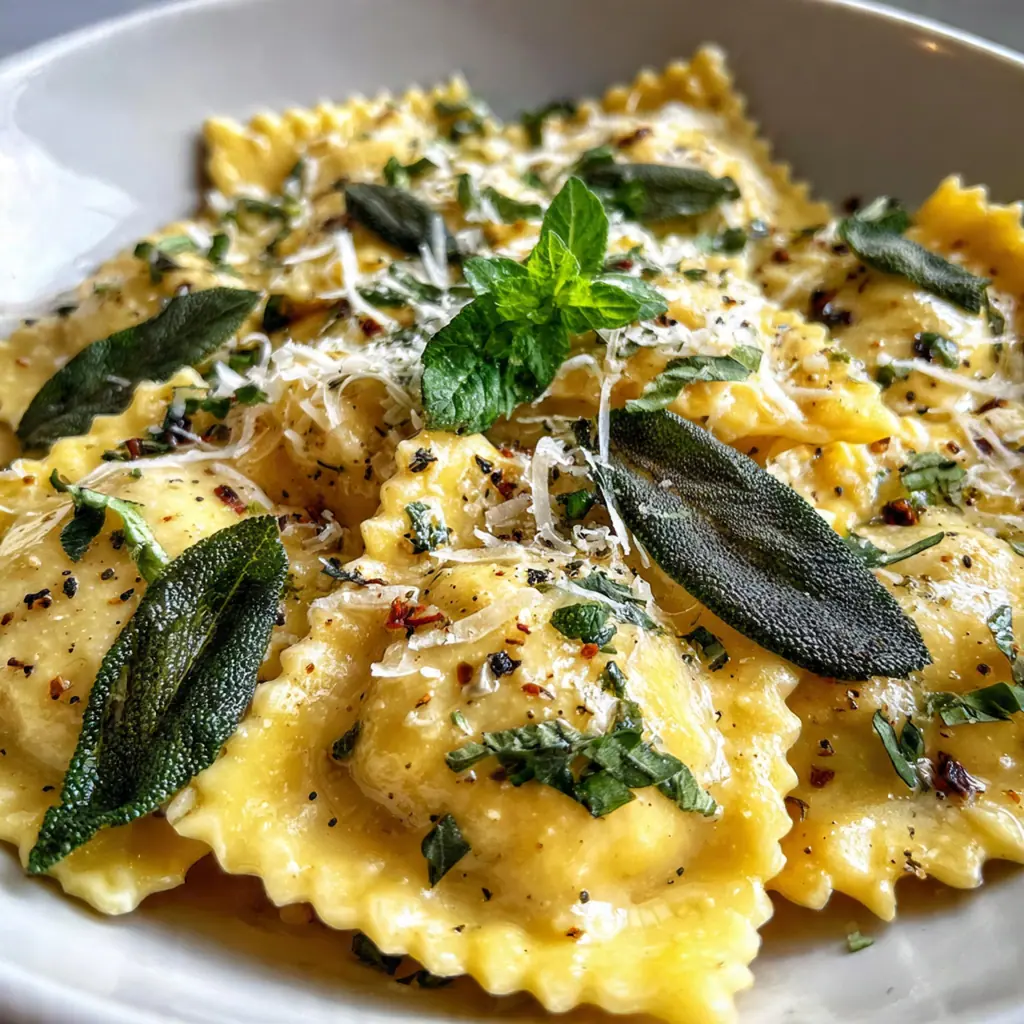
Serve right away while the sauce is hot and bubbly. The ravioli will continue absorbing the sauce as it sits, so there’s no need to wait. Each bite should have butter, sage, and creamy cheese filling.
You Must Know
- Don’t walk away from browning butter—it goes from golden to burnt in seconds
- Use a light-colored pan so you can see the color change clearly
- Fresh ravioli works best, but dried works if you cook it al dente
- The pasta water is starchy gold that helps sauce cling to the pasta
- If using store-bought ravioli, choose a good quality brand for best texture
Storage Tips
Leftover ravioli with sage butter sauce keeps well in an airtight container in the refrigerator for up to 3 days. When you’re ready to reheat, warm it gently in a skillet over low heat with a splash of water or broth to loosen the sauce and prevent sticking. I avoid the microwave because it makes the pasta gummy and can separate the butter sauce. The flavors actually meld and improve overnight, making leftovers a tasty lunch option. Just remember to bring it back to temperature slowly so the ravioli stays tender and the sauce stays silky.
Ingredient Substitutions
If you don’t have fresh sage, dried sage works but use just one-third of the amount since it’s more potent—add it with the garlic so it has time to bloom. For the wine, you can substitute an equal amount of extra broth with a splash of lemon juice for acidity, though you’ll miss that subtle complexity. Any filled pasta will work beautifully here—tortellini, agnolotti, or even ravioli with different fillings like mushroom or spinach. If you need to make it dairy-free, use vegan butter and nutritional yeast instead of Parmesan, though the flavor profile will be slightly different but still delicious. Fresh lemon juice is non-negotiable for brightness, but you can increase the garlic if you’re out of pine nuts for garnish.
Serving Suggestions
I love serving this Ravioli Sage Butter Sauce alongside a crisp arugula salad dressed with a simple lemon vinaigrette to cut through the richness of the butter. For a more substantial meal, roasted asparagus or green beans add texture and complement the earthy sage flavor beautifully. A glass of Pinot Grigio or Sauvignon Blanc mirrors the wine in the sauce and ties the whole dinner together. For a special touch, start with a simple antipasto of marinated olives and good bread to mop up any extra sauce. The contrast of a light, crunchy vegetable and the rich pasta makes every bite more balanced and satisfying.
Cultural Context
This ravioli with sage butter sauce represents the heart of Northern Italian cooking where simple, high-quality ingredients create extraordinary dishes without fuss. The combination of brown butter and sage is a classic pair in Italian cuisine, particularly in regions like Lombardy and Emilia-Romagna where butter-based sauces reign supreme over tomato-heavy ones. Historically, brown butter sauce was a way to stretch expensive ingredients like cheese and pasta during leaner times, transforming humble pantry staples into something celebratory. What makes this dish truly special is how it embodies the Italian philosophy of letting ingredients shine through careful technique rather than overwhelming them with complex spices or sauces. Every region in Italy has its variation on pasta with sage butter, proving that simplicity, when executed perfectly, never goes out of style.
Pro Tips
- Browning butter requires your full attention—once it starts smelling nutty, it’s seconds awa…
- A light-colored skillet lets you monitor the color change from golden to nutty brown more ac…
- The starchy pasta water is liquid gold that helps emulsify the sauce for a silky, restaurant…
- Fresh ravioli cooks faster than dried, so have your sauce ready and don’t let it wait in the…
- If the sauce looks too thick after adding ravioli, the pasta water brings it back to a perfe…
- I never skip the lemon juice—it brightens everything and balances the richness so perfectly
Frequently Asked Questions
Fresh cheese ravioli works best as it has a tender texture that holds up well to the sauce. The cheese filling complements the nutty butter perfectly. Frozen or dried ravioli also work—just follow package cooking times and make sure to drain well so the sauce clings properly.
While best served fresh, you can prepare the components ahead. Brown the butter with sage and garlic, let it cool, and refrigerate for up to 2 days. Reheat gently before tossing with freshly cooked ravioli. Avoid cooking the ravioli ahead as it gets mushy.
Try rosemary, thyme, or parsley for different flavor profiles. Dried sage works in a pinch (use 1 teaspoon instead of fresh), but fresh leaves deliver the best aromatic fragrance. If omitting sage entirely, add extra garlic and a pinch of dried oregano.
The butter should foam and turn golden brown with brown specks, smelling nutty (about 5-7 minutes). The sage leaves will crisp and the garlic becomes fragrant. Stop cooking at this stage—don’t let it burn. Toss immediately with hot ravioli to create the perfect consistency.
It’s rich enough as a main dish, but pairs beautifully with a simple arugula salad with lemon vinaigrette, roasted vegetables, or crusty Italian bread for soaking up extra sauce. A crisp white wine like Pinot Grigio complements the nutty flavors perfectly.