

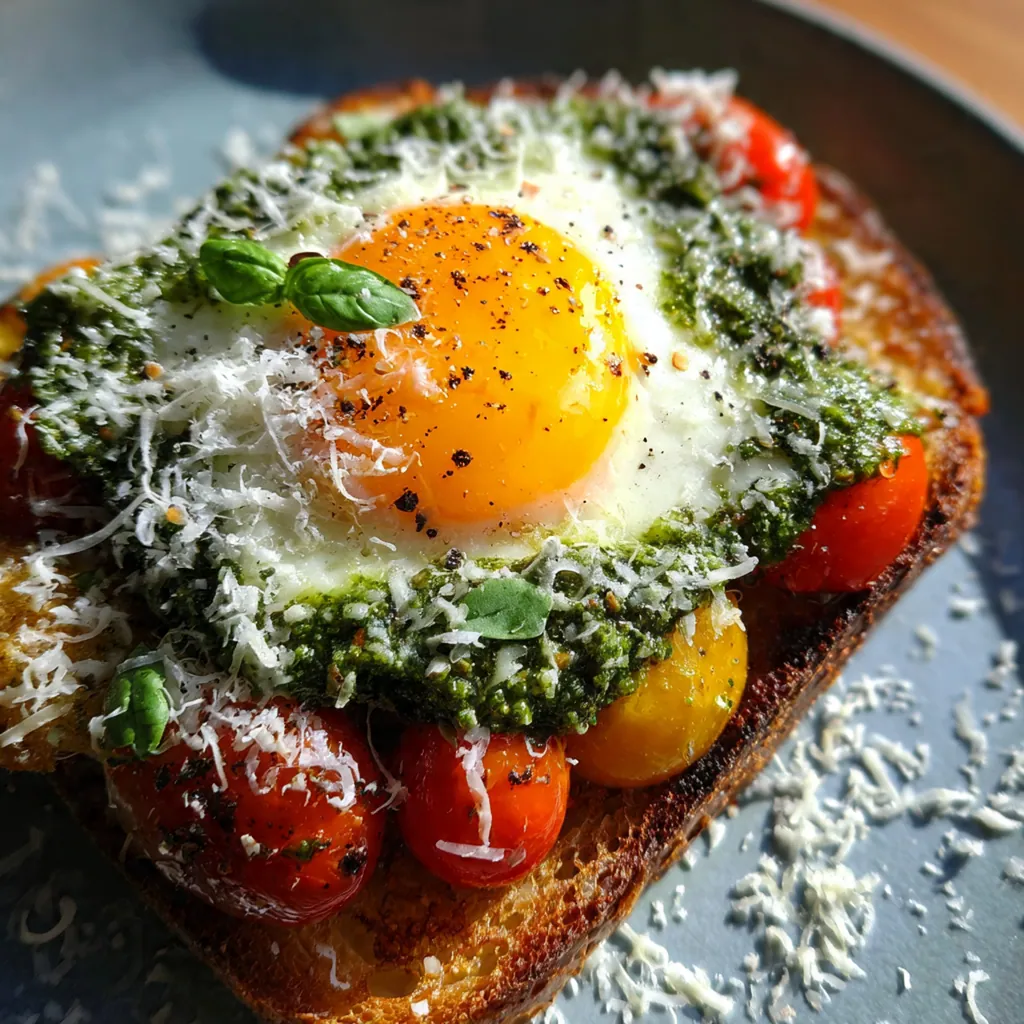
This vibrant pesto fried eggs topping is the secret to turning a simple breakfast into a gourmet moment in just minutes. Inspired by classic Italian flavors, it brings the bright, aromatic punch of fresh basil pesto directly to your sunny-side-up eggs. I love how the runny yolk mingles with the garlicky, nutty sauce, creating a dish that feels special enough for a weekend brunch. It’s a testament to how a few quality ingredients can completely transform the ordinary into something extraordinary.
Why You'll Love This Recipe
- You’ll have a restaurant-worthy dish ready in just 20 minutes
- The pesto topping can be made ahead for even quicker mornings
- It makes ordinary fried eggs feel incredibly special and luxurious
- The fresh basil and garlic create a flavor that’s vibrant and aromatic
- It’s a game-changer my whole family requests
Ingredients You’ll Need
- Fresh basil leaves: Use the brightest, most aromatic leaves you can find for the best pesto flavor, and make sure they’re packed tightly into your cup measure. Avoid dried basil as it simply won’t give you the same fresh, vibrant taste.
- Pine nuts: These add a rich, buttery texture and subtle sweetness to the pesto base. Look for nuts that are pale and uniform in color, without any dark spots or rancid smell.
- Garlic: Just one clove provides the perfect pungent backbone without overwhelming the delicate basil. Fresh, firm cloves are best for that clean, sharp garlic bite.
- Parmesan cheese: Freshly grated parmesan melts into the pesto, contributing salty, umami depth and helping to thicken the sauce. Grate it yourself for the best texture and flavor.
- Extra-virgin olive oil: A good quality oil is the liquid gold that brings everything together, adding fruity notes and a silky consistency. It’s the foundation of a truly great pesto.
- Salt and black pepper: These essentials season the pesto perfectly and balance all the other robust flavors. I always use kosher salt for even seasoning.
- Large eggs: The star of the show, their rich, runny yolks are meant to blend with the pesto. Room temperature eggs cook more evenly in the pan.
- Unsalted butter: This gives your eggs a deliciously rich, golden edge and helps prevent sticking. Using unsalted butter lets you control the final salt level.
- Optional toasted pine nuts: A garnish that adds a wonderful crunch and toasty aroma, taking the textural experience to another level.
- Optional fresh basil leaves: A final sprinkle adds a pop of color and reinforces that fresh herbal flavor right before you eat.
- Optional red pepper flakes: Just a pinch provides a welcome hint of heat that cuts through the richness of the eggs and pesto.
- Optional lemon zest: A little zest brightens the entire dish with a citrusy sparkle, making all the other flavors sing.
How to Make It
Prepare Your Pesto Ingredients:
Gather your basil, pine nuts, garlic, and parmesan cheese. This mise en place step makes the blending process smooth and quick. You want everything ready to go so your basil stays bright green and doesn’t oxidize while you search for the cheese grater.
Blend the Pesto Base:
Combine the basil, pine nuts, garlic, parmesan, salt, and pepper in your food processor. Pulse several times until the mixture is coarsely chopped. You’re looking for a textured paste before adding the oil, which helps emulsify everything properly.
Emulsify With Olive Oil:
With the processor running on low, slowly drizzle in the extra-virgin olive oil through the feed tube. This steady stream helps create a smooth, cohesive sauce. Stop once it’s creamy, then taste and adjust the salt if needed before setting it aside.
Toast Your Garnish:
Heat a small dry skillet over medium heat and add the pine nuts for garnish. Stir them frequently for about three to five minutes until they’re golden and smell wonderfully nutty. Transfer them to a plate immediately so they stop cooking and don’t burn.
Cook the Eggs:
Melt butter in a large non-stick skillet over medium heat until it’s foamy. Carefully crack your eggs into the skillet, giving them plenty of space. Cook for two to three minutes for sunny-side up with set whites and runny yolks.
Flip for Over-Easy (Optional):
If you prefer over-easy eggs, gently slide your spatula under each egg and flip it carefully. Cook for just about 30 seconds more on the second side. Either way, season the cooked eggs with a tiny pinch of salt and pepper.
Assemble and Garnish:
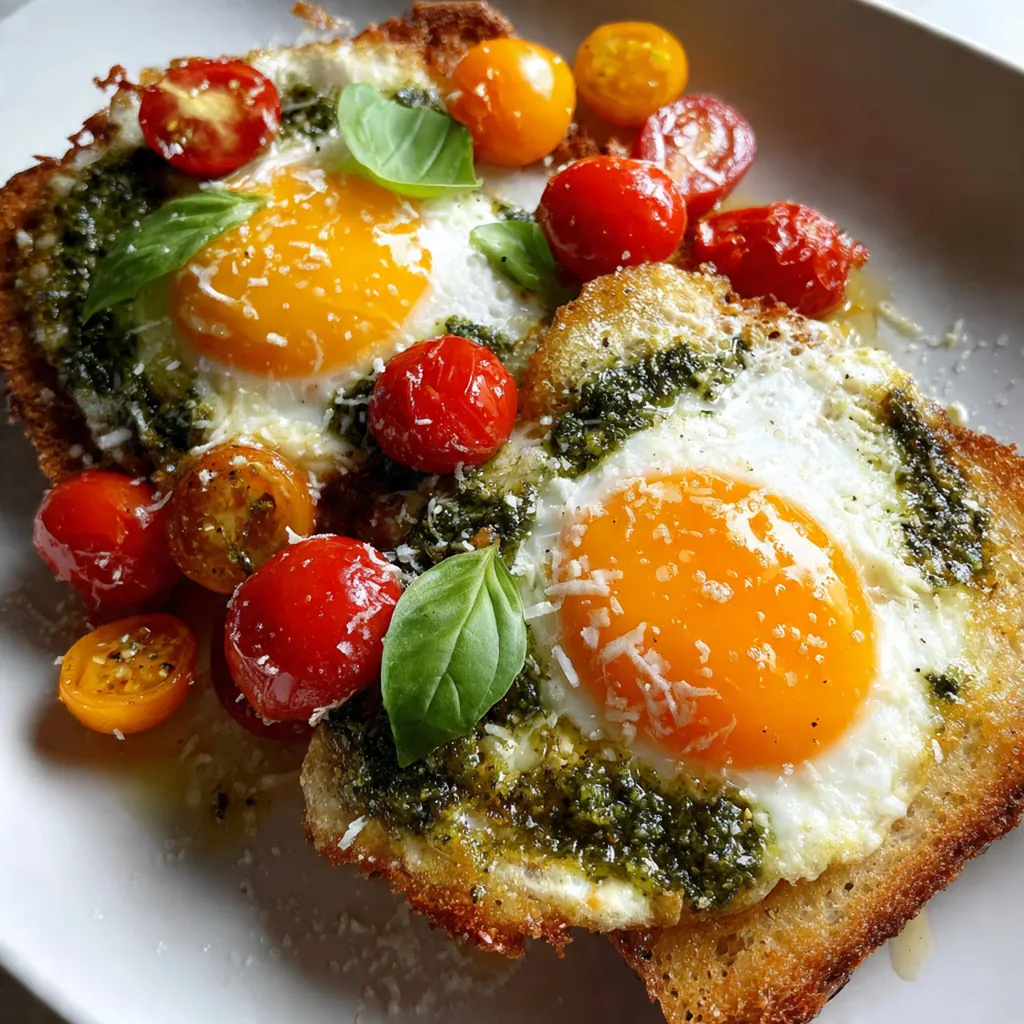
Place each warm fried egg on a plate. Spoon a generous amount of your fresh pesto right over the top, letting it cascade down the sides. Finish with the toasted pine nuts, a sprinkle of red pepper flakes, fresh basil leaves, and a bit of lemon zest if you like.
Serve Immediately:
Get these pesto fried eggs to the table right away while the yolks are still runny and the pesto is fresh. The combination of warm egg, cool pesto, and crunchy nuts is an experience you won’t want to let sit.
You Must Know
- Fresh basil is non-negotiable for the best pesto flavor
- Room temperature eggs cook more evenly in the pan
- Don’t over-process the garlic or it can turn bitter
- That runny yolk is essential for saucing the plate
- It’s my favorite lazy Sunday upgrade
Storage Tips
You can store any leftover pesto in a small airtight container in the fridge for up to five days. I always press a piece of plastic wrap directly onto the surface before sealing the lid to keep air out and prevent the basil from browning. Fried eggs are truly best enjoyed right away, but if you must reheat one, do it gently in a lightly buttered skillet over low heat just until warmed through. The pesto itself also freezes beautifully in an ice cube tray for future quick meals, which is a trick I use all the time.
Ingredient Substitutions
If you’re out of pine nuts, try walnuts or even pistachios for a different but equally delicious pesto twist, and sunflower seeds make a great nut-free alternative. For a dairy-free version, swap the parmesan for a tablespoon of nutritional yeast which gives a similar savory, cheesy flavor. Don’t have fresh basil? A mix of fresh spinach and a handful of parsley can work in a pinch, though the flavor profile will be milder. And if you want to skip the butter for frying, a neutral high-heat oil like avocado oil will do the job just fine.
Serving Suggestions
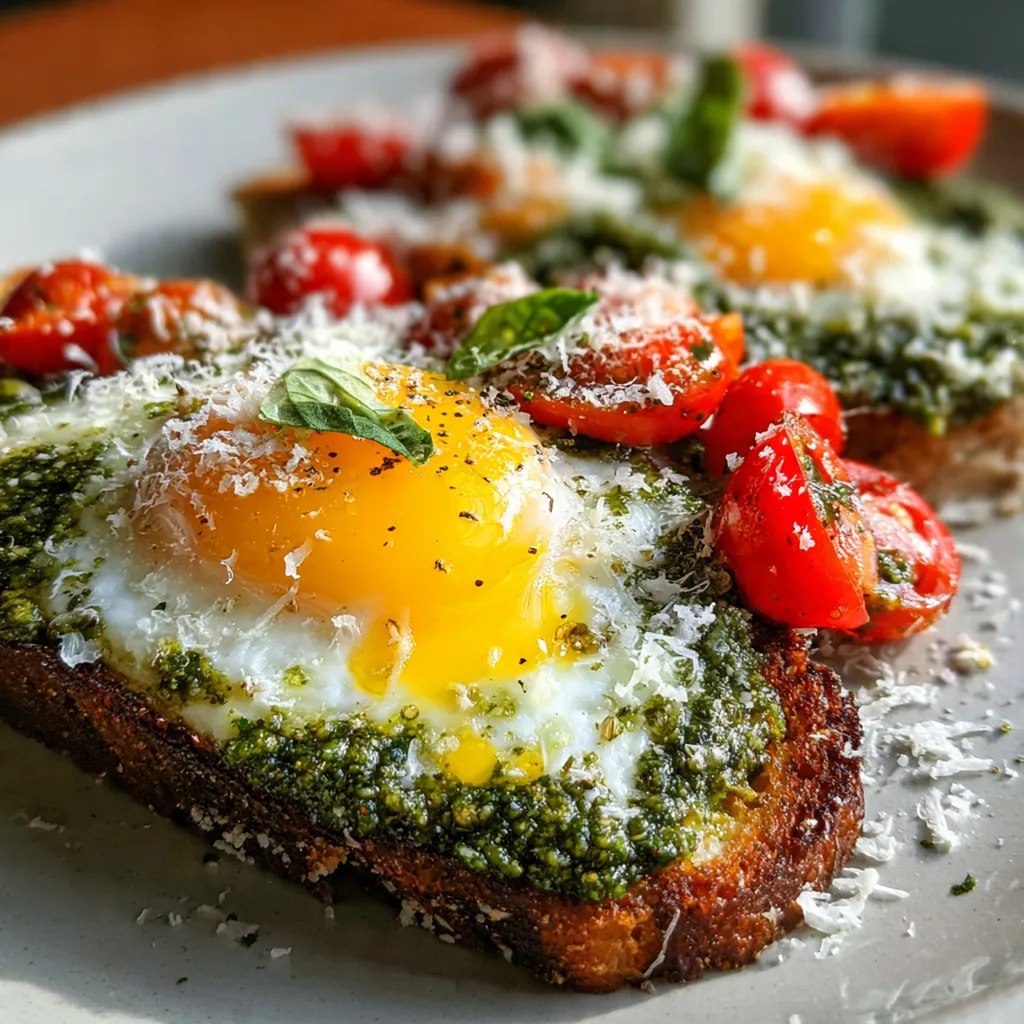
I love serving these eggs with thick, crusty sourdough toast to mop up every bit of the runny yolk and pesto that pools on the plate. For a heartier brunch, add a side of crispy roasted potatoes or a simple arugula salad dressed with lemon juice and olive oil. It also pairs beautifully with sautéed cherry tomatoes or a few slices of creamy avocado for extra richness. This pesto fried eggs topping is so versatile it can even elevate a simple grain bowl or a piece of grilled chicken for dinner.
Cultural Context
This dish is a beautiful, quick interpretation of flavors deeply rooted in the Liguria region of Italy, the birthplace of pesto Genovese. Traditionally, pesto is painstakingly made with a mortar and pestle to preserve the integrity of the basil leaves, creating a rustic, textured sauce. While we use a food processor for convenience, the principle of combining fresh basil, garlic, pine nuts, cheese, and olive oil remains sacred. Serving it over eggs is a modern, breakfast-friendly twist that honors the simplicity and quality of Italian cooking, where a few perfect ingredients are allowed to shine.
Pro Tips
- Toast pine nuts in a dry skillet to unlock their full nutty flavor
- Press plastic wrap on pesto surface before storing to prevent browning
- Let your eggs come to room temp for the most even cook
- Use a non-stick skillet for foolproof egg flipping
- I always make a double batch of pesto
Frequently Asked Questions
Absolutely! While pine nuts are traditional, you can substitute them with walnuts or even blanched almonds for the Pesto Fried Eggs Topping. The flavor profile will change slightly, but it will still be delicious and work beautifully with the fried eggs.
Yes, you can prepare the pesto up to 3 days in advance. Store it in an airtight container in the fridge with a thin layer of olive oil on top to prevent browning. Let it come to room temperature before topping your freshly fried eggs for the best flavor.
For a different twist, you can use fresh arugula or spinach, though the classic basil flavor will be missing. In a pinch, you could use 2-3 tablespoons of a high-quality store-bought basil pesto, but homemade truly makes this Pesto Fried Eggs Topping shine.
For the ideal Pesto Fried Eggs Topping, cook the eggs in butter over medium heat until the whites are fully set but the yolks are still runny, about 3-4 minutes. The edges should be lightly golden and lacy. The runny yolk mixes with the pesto to create the sauce.
This Italian breakfast is excellent on its own or served over toasted crusty bread, a crispy hash brown, or a simple side of sautéed cherry tomatoes. It’s a complete, protein-rich meal that feels luxurious any morning.