

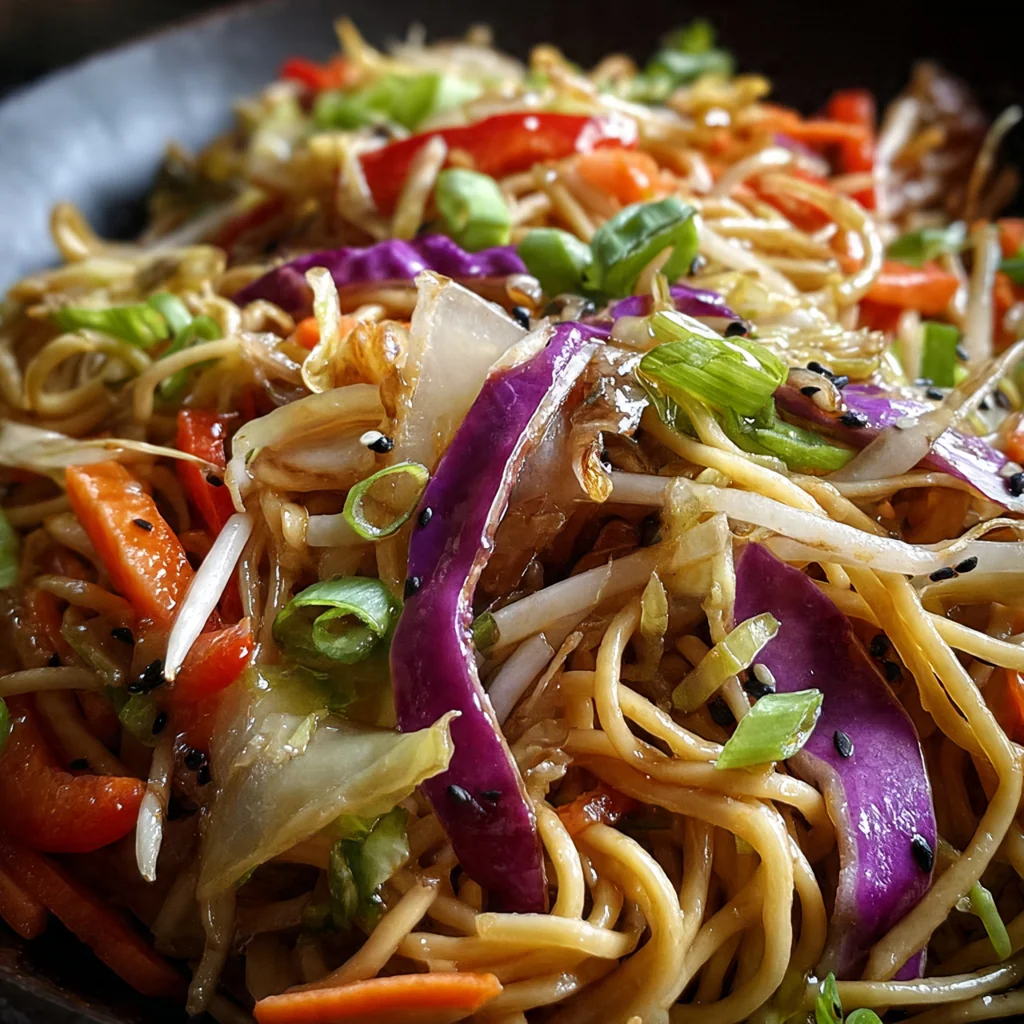
Making Panda Express Chow Mein at home brings that addictive takeout flavor straight to your kitchen without the wait. This classic American Chinese dish combines tender noodles with crisp vegetables and savory chicken, all tossed in a perfectly balanced sauce. I grew up ordering this every time we visited the mall, and recreating it myself feels like unlocking a secret menu. The magic lies in the high-heat stir-fry technique that locks in flavor while keeping every ingredient perfectly textured. You’ll be amazed at how simple it is to achieve that restaurant-quality taste with just a few pantry staples.
Why You'll Love This Recipe
- Ready in under 30 minutes for a perfect weeknight dinner
- Authentic takeout flavor that rivals the restaurant version
- Uses simple, fresh ingredients you likely already have
- Customizable with your favorite protein or vegetables
- Saves money compared to ordering takeout for the family
Ingredients You’ll Need
- Dried chow mein noodles or yakisoba noodles: These provide the foundation with their perfect chew and ability to absorb sauce beautifully
- Vegetable oil: Essential for high-heat cooking and preventing ingredients from sticking to your hot wok
- Boneless skinless chicken breast: Lean protein that takes on the marinade quickly and stays tender when cooked fast
- Soy sauce for marinade: Adds initial savory depth to the chicken before it hits the wok
- Garlic: Fresh cloves minced fine create an aromatic base that’s irreplaceable
- Fresh ginger: Brings warmth and that essential zing to balance the savory elements
- Celery: Sliced on a diagonal it adds unexpected crunch and fresh flavor
- Yellow onion: Thinly sliced for sweetness that mellows when flash-cooked
- Shredded cabbage: Provides volume and texture while soaking up the sauce beautifully
- Soy sauce: The salty umami backbone of the entire dish that ties everything together
- Oyster sauce: The secret ingredient for deep savory complexity you can’t replicate
- Sesame oil: Toasted flavor that finishes the dish with aromatic authenticity
- Chicken broth: Creates the perfect saucy consistency without making the noodles soggy
- Sugar: Just enough sweetness to balance all the savory and salty elements
- White pepper: More nuanced than black pepper, it adds subtle heat without overpowering
- Green onions for garnish: Fresh oniony bite and vibrant color for that professional look
- Bean sprouts: Optional but add amazing crunch and fresh texture when stirred in at the end
How to Make It
Cook the Noodles Perfectly:
Start by boiling your chow mein noodles according to package directions until just tender, usually 3-4 minutes. Drain immediately and rinse with cold water to stop the cooking process. Toss them with a teaspoon of oil to prevent sticking while you prep other ingredients. This ensures your noodles stay separate and don’t become a clumpy mess later.
Marinate the Chicken:
While the noodles cook, whisk together soy sauce, a tablespoon of vegetable oil, minced garlic, and ginger in a medium bowl. Add your chicken pieces and toss thoroughly to coat every piece. Let it sit for 10 minutes while you prepare everything else. This quick marinade is key to getting that signature takeout chicken flavor.
Mix the Signature Sauce:
In a small bowl, whisk together the oyster sauce, soy sauce, sesame oil, chicken broth, sugar, and white pepper. Set this aside where you can grab it quickly. This balanced sauce is what makes your Panda Express Chow Mein copycat taste authentic. Stir well until the sugar dissolves completely.
Sear the Chicken:
Heat your wok or large skillet over high heat until it’s smoking hot. Add a tablespoon of vegetable oil and swirl to coat the surface. Add the marinated chicken in a single layer and let it sear undisturbed for 2 minutes to develop a beautiful golden crust. Then stir-fry for another 2-3 minutes until cooked through and remove it from the pan. The chicken should be golden and juicy.
Stir-Fry the Vegetables:
Return the wok to high heat, adding the remaining oil if needed. Add the sliced celery and onion first, stir-frying for about 1 minute until they just start to soften but still have a satisfying crunch. These vegetables cook quickly, so keep things moving constantly with your tongs or spatula for even cooking.
Add the Cabbage:
Toss in the shredded cabbage and cook for another 30-60 seconds, stirring constantly. You want the cabbage just wilted but still crisp – overcooking makes it watery. The high heat should create a slight char on the edges, adding that authentic wok-hei flavor that makes takeout so addictive.
Combine Noodles and Sauce:
Add your cooked noodles to the wok with the vegetables, then pour the sauce mixture over everything. Toss vigorously for 1-2 minutes using tongs or two spatulas until the sauce is absorbed and everything is heated through. This step brings all the flavors together and coats every strand of noodle.
Finish and Serve:
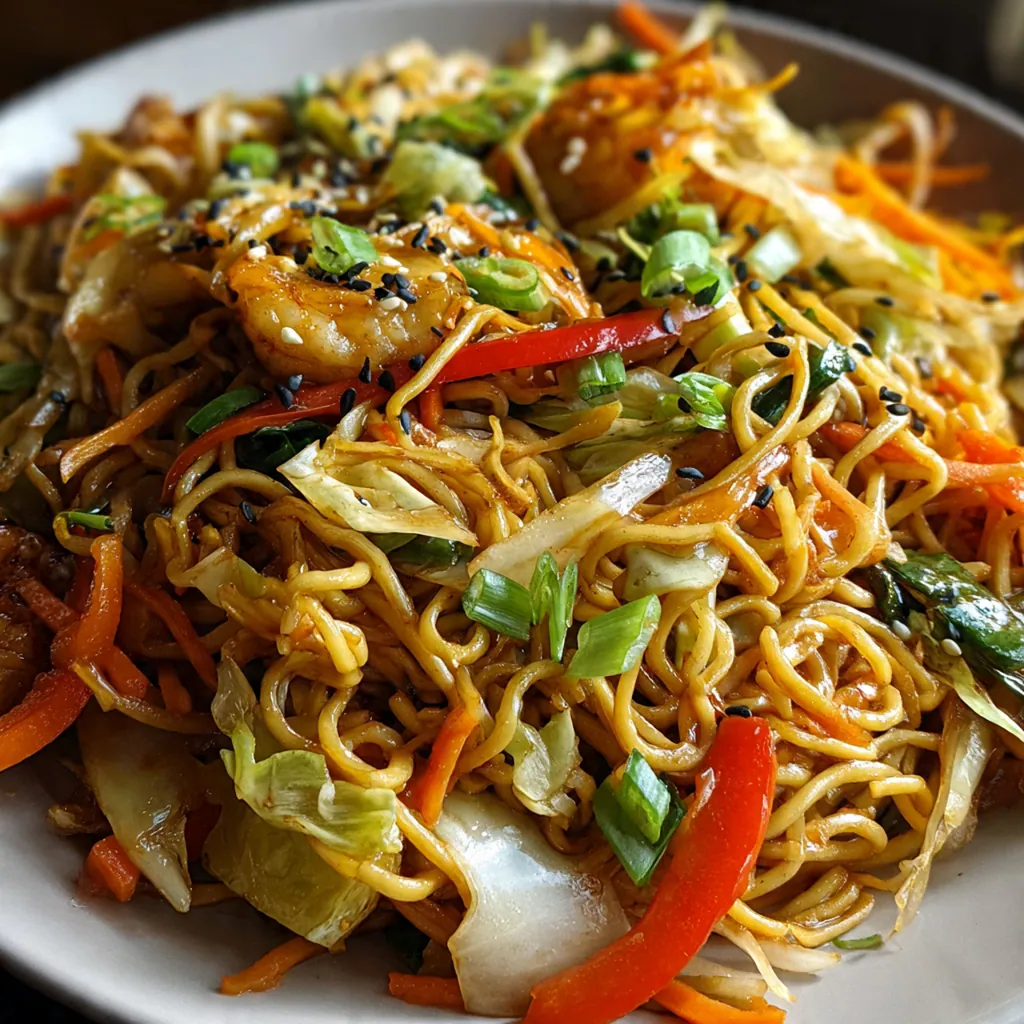
Return the cooked chicken to the wok and toss everything together for 30 more seconds to combine and reheat. If using bean sprouts, stir them in now to keep them crunchy. Taste and adjust seasoning if needed, adding a pinch more sugar for sweetness or a splash of soy sauce for saltiness. Serve immediately while hot, garnished with sliced green onions for that authentic takeout look.
You Must Know
- High heat is crucial for authentic stir-fry flavor – don’t overcrowd your pan or it will ste…
- Prep all your ingredients before you start cooking because stir-fries go incredibly fast
- Rinse noodles after boiling and toss with oil to prevent clumping while you prep other ingre…
- Slice celery on a diagonal – it’s not just for looks, it helps the celery cook faster and ab…
- Don’t skip the oyster sauce – it’s the secret to that deep savory umami that makes Panda Exp…
Storage Tips
Store leftovers in an airtight container in the refrigerator for up to 3 days. When you’re ready to reheat, use a wok or skillet over medium-high heat with a splash of water or oil to loosen the noodles and restore their texture. The microwave works in a pinch, but the noodles can become slightly gummy, so the stovetop method is definitely worth the extra minute. I often pack this for lunches because it reheats beautifully and tastes just as good the next day.
Serving Suggestions
Pair this chow mein with Panda Express Orange Chicken, Beijing Beef, or Honey Walnut Shrimp for an authentic takeout-style feast at home. A simple side of steamed broccoli or Chinese garlic green beans complements the meal perfectly and adds extra vegetables to your plate. For a complete dinner, serve with egg drop soup or hot and sour soup to start. I love making this the star of a weekend lunch with some crispy spring rolls – it feels like a restaurant experience without leaving the house.
Cultural Context
Panda Express chow mein represents the American Chinese cuisine that developed in the United States, blending traditional Chinese cooking techniques with American tastes and available ingredients. Unlike traditional Chinese chow mein which often features crispy fried noodles, this version uses softer stir-fried noodles that better absorb the savory sauce. The dish emerged from the fast-casual dining culture of the 1980s and became a staple for families seeking quick, affordable meals with familiar flavors. What makes it special is how it bridges cultures – the stir-fry technique is authentically Chinese, but the combination of ingredients and the saucy consistency were adapted for American palates, creating something entirely unique and beloved.
Pro Tips
- Use a wok or heavy-bottomed skillet that retains heat well – thin pans won’t give you that r…
- Cook in batches if your pan is small – overcrowding steams instead of fries your ingredients
- Have everything prepped and within arm’s reach before you turn on the heat
- Use day-old noodles if possible – they fry up even better and won’t break apart
- A splash of rice wine vinegar at the very end brightens all the flavors beautifully
Frequently Asked Questions
Yes! Simply omit the chicken and use tofu or just double the cabbage and vegetables. You can also substitute the chicken broth with vegetable broth in the sauce mixture.
For authentic results, use dried chow mein noodles or yakisoba noodles. If you can’t find these, fresh egg noodles or even spaghetti can work in a pinch, though the texture will vary slightly from the original.
While best served fresh for that signature texture, you can prep the vegetables and chicken ahead of time. Cooked noodles can be stored separately and reheated with a splash of water or broth to prevent sticking.
If you don’t have oyster sauce, you can use hoisin sauce, teriyaki sauce, or extra soy sauce with a dash of sugar. The flavor will be slightly different but still delicious and savory.
The dish is ready when the noodles are heated through, the chicken reaches 165°F internal temperature, and the vegetables are crisp-tender. This usually takes about 8-10 minutes total over high heat.